Volume Isn’t Always The Answer
At a certain point in training, doing more stops leading to better results. For many CrossFit athletes, especially those pushing toward Quarterfinals or Semifinals, progress is no longer about adding volume. It’s about improving how the body adapts to the work being done. Understanding this shift can be the difference between plateauing and continuing to improve.
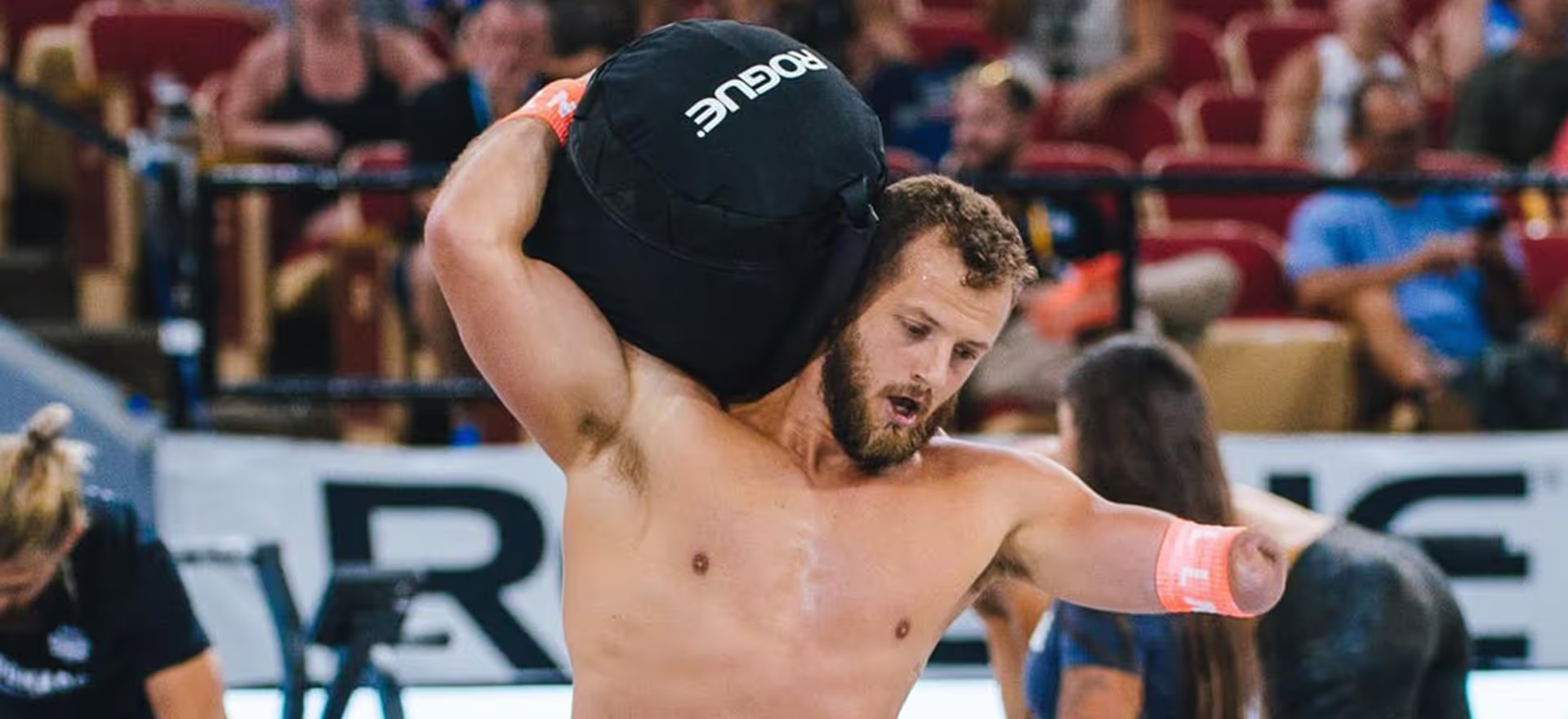
At a certain point in an athlete’s development, progress stops coming from doing more.
More sessions. More reps. More conditioning pieces. More “extras.”
For many competitive CrossFit athletes, especially those hovering around the Quarterfinals–Semifinals line, increased volume feels like the obvious solution. If performance stalls, the instinct is to pile on more work. But the uncomfortable truth is this:
Volume may no longer be the limiter. Adaptation is.
WEEKLY STRESS VS. ADAPTATION
Training stress is only valuable if the athlete can actually adapt to it. High-level athletes already carry:
- Significant neurological stress
- Heavy tendon and connective tissue loading
- High baseline intensity across most sessions
At this stage, adding volume often increases fatigue faster than fitness. The central nervous system becomes dulled, recovery between sessions slows, and training quality quietly declines. Work still gets done — but it’s lower quality work, performed in a chronically compromised state. Over time, this blunts adaptation rather than enhancing it.
More stress does not automatically mean more progress. It often just means more stress.
WHEN MORE VOLUME HURTS OPEN AND SEMIFINALS PERFORMANCE
Many athletes make the mistake of thinking that if competition workouts are high-volume, training should always be higher. In reality, excessive volume often leads to:
- Degraded movement efficiency under fatigue
- Persistent low-grade tendon pain that never quite resolves
- Flat performances despite “great” training weeks
- Inability to express peak fitness when it matters
The Open and Quarterfinals don’t reward those who trained the most. They reward those who can repeatedly express fitness under pressure, while still fresh enough to execute. Athletes who survive training rather than adapt to it rarely show their true capacity in competition.
THE HWPO LENS: INTENT > VOLUME
From an HWPO perspective, training is not about how much work you can tolerate — it’s about how precisely work is applied.
Every session should have:
- A clear purpose
- A targeted stimulus
- A defined ceiling
Volume is a tool, not a badge of honor.
The most successful athletes aren’t the ones doing the most — they’re the ones doing the right amount, at the right intensity, with the highest level of intent. They leave the gym knowing what they trained, why they trained it, and how it fits into the bigger picture.
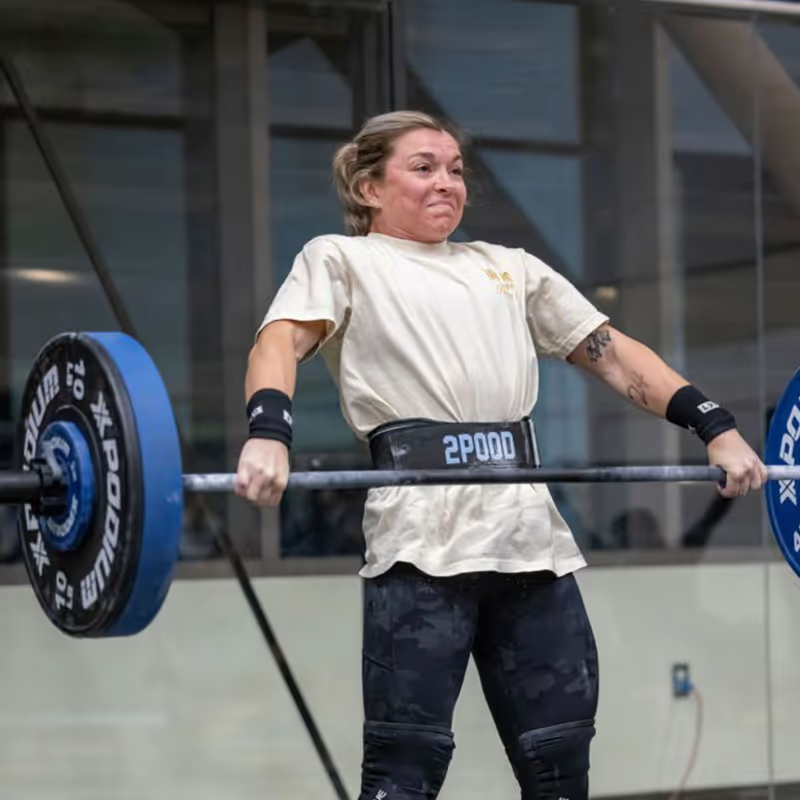
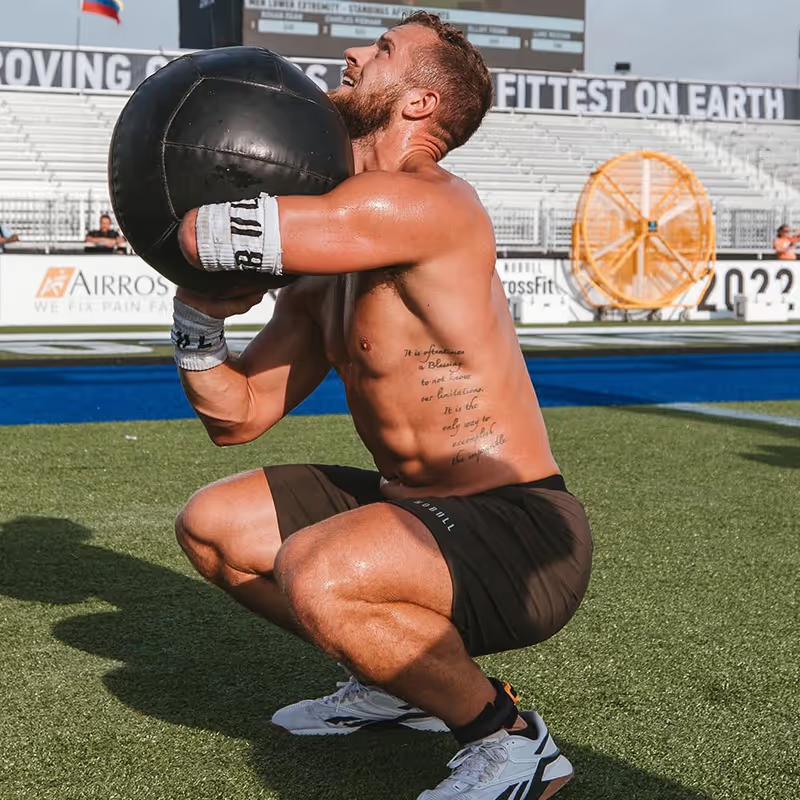
Train with purpose, not just volume
HWPO programs are built around intent, structure, and long-term progression. Follow a training program designed to apply the right stimulus at the right time, so you can improve consistently without unnecessary fatigue.