Fitness and GLP’s
GLP medications are becoming increasingly common in conversations around weight loss and metabolic health, yet guidance on how to train while using them is often vague or missing entirely. This blog explores key considerations for strength training, fueling, and recovery so athletes can continue training effectively while listening to their bodies and working alongside healthcare providers.

I’d like to start by saying I am not a doctor and definitely not your doctor. So this will not be information about how to get GLP’s or dosing information. Any medical questions should be discussed with your doctor.
A GLP is a class of medications that help regulate appetite and blood sugar by slowing digestion and increasing feelings of fullness, often prescribed to support weight loss and metabolic health.
With the legal side out of the way, I want to acknowledge the fact that everywhere you turn, someone you know is using a GLP to help them control their weight or lose massive amounts of weight. There is a gap in healthcare: doctors prescribe these peptides and drugs, but only say “exercise.” They don’t tell you what to look for, how to prepare or what style of training to do.
I can’t use specific drug names here because, in reality, I don’t make enough as a nurse to go to court with a pharmaceutical company. I am also not here to talk poorly about these drugs or judge anyone using them, because I do feel they have saved many people from the negative health consequences of obesity.
Many people report that their biggest negative side effect of these drugs, though, is that they look “wasted away” or, as it’s been famously called, “Ozem… Face.” The reason is that these drugs are not muscle-sparing, so they cause breakdown of both muscle and adipose (fat) tissue.
How do you solve this?
The answer? Continue to train strength and cause muscle contraction on a regular basis. Many times people have a hard time motivating due to the fact that they aren’t consuming much food because their appetite is zero, and in some cases they get very nauseous with food intake. Muscle contraction is also significantly affected by the level of salt consumption, hydration and calories available. GLP’s can have a direct effect on the Krebs’ Cycle due to their enhancing the body's ability to use glucose and fuel many processes in the body's cells. The issue here is that if you don’t have any carbohydrates, you have very limited glucose to use.
One of the most beneficial approaches here is to find a carb-rich food you can eat before exercise that doesn’t sit too heavily or cause nausea. This would generally be fruit because it isn’t super heavy, and the body can use it quickly. Before anyone gets too excited, I’m not saying to consume an entire bushel of bananas. Rather, a single banana will help maintain blood glucose and prevent hypoglycemia (low blood sugar) during exercise.
Functional fitness commonly uses all energy pathways and will burn glucose quickly. So, being on top of creating some kind of fuel to use without breaking the calorie bank. You can’t blast pre-workout and pray. The intensity will be super low, and the results will not be as effective.
You can use these peptides/drugs alongside your favourite HWPO program, but remember that a car needs gas to run, and you need food to exercise/train. We are all striving to be better, and you can use these as a tool, just be smart and be aware of how you feel. This will help you collaborate more effectively with your healthcare providers to find the best solution for you.

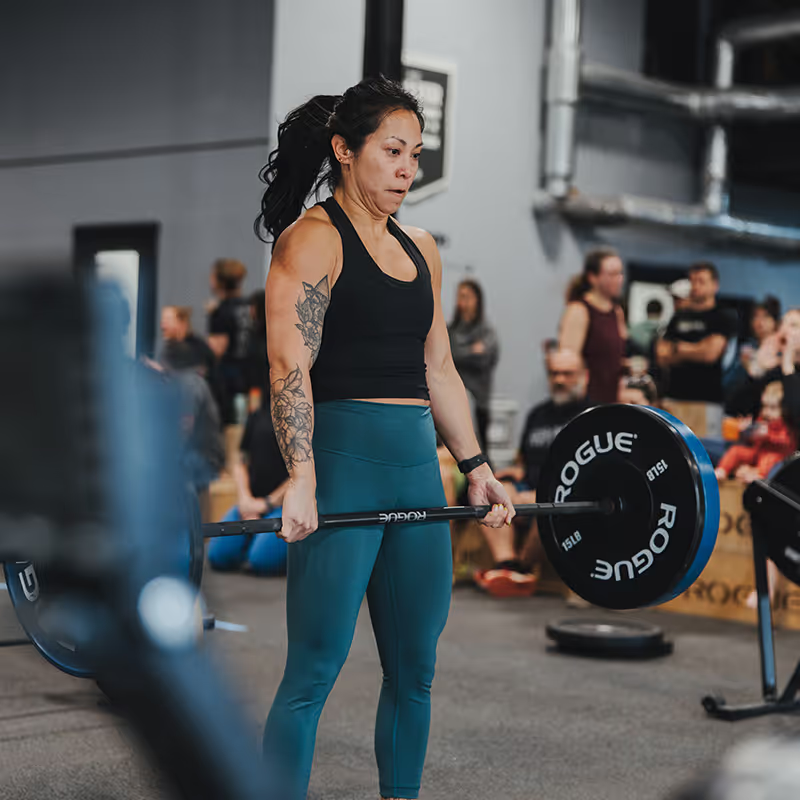
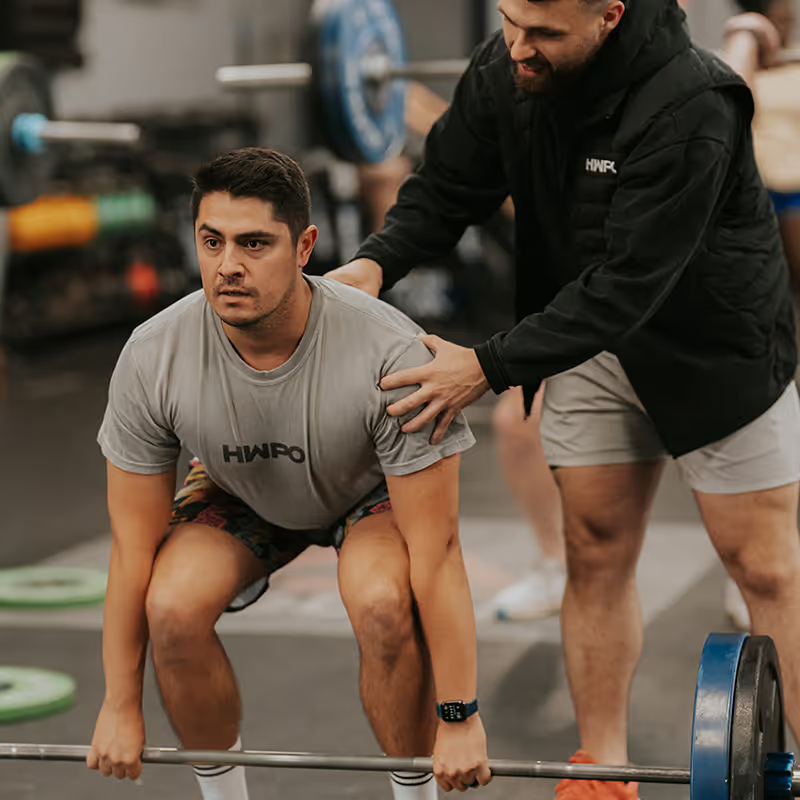
Strength training matters. Keep building with HWPO.
HWPO programs are built to support long-term strength, movement quality, and sustainability. With structured training and clear intent, you can continue exercising safely and effectively while adapting to your current circumstances. Wherever you are in your journey, train with awareness, fuel with purpose, and keep communication open with your healthcare team.