Coach And Athlete Happily Ever After
A strong athlete-coach relationship can be one of the most powerful tools for improving performance. But getting the most out of individual coaching isn’t just about the program — it’s about how you communicate, set expectations, and work together over time. Understanding how to build that relationship properly can make the difference between frustration and real progress.
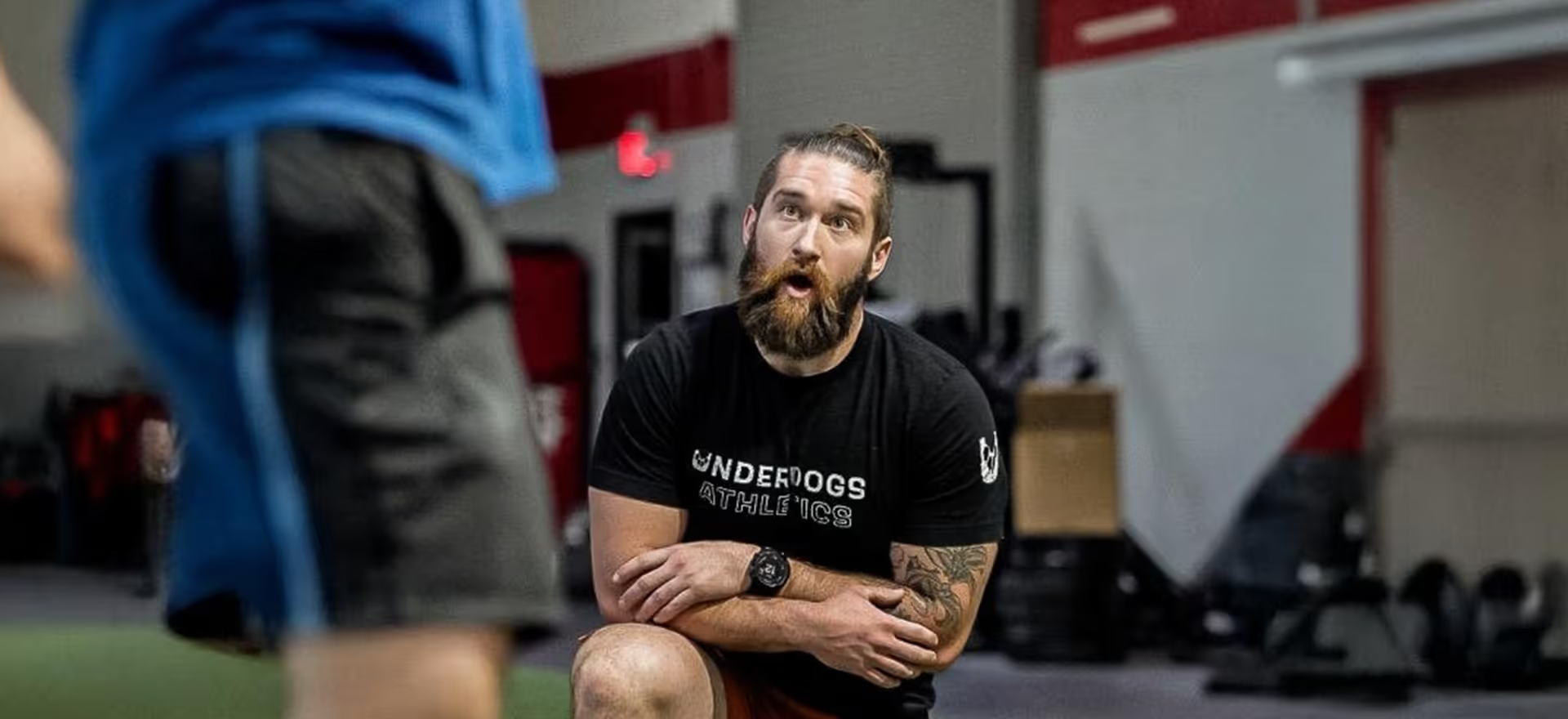
If you are looking for dating advice, this is not the spot. What I am talking about is how to get the most out of individual coaching in terms of success and happiness. We live in a time when communication is easier, but we are also losing our communication skills at a rapid rate.
My goal in this article is to break down how to best pull off a harmonious relationship filled with PRs and competitive success!
Develop expectations
The first and most important thing to develop early is expectations. This goes both ways. For coaches, you need to let your athlete know what you’d like from them. This could be results, feedback, or even times you are unavailable to talk. It is surprising, but yes, coaches do try to maintain a work-life balance. For athletes, this can be as simple as I expect to have my programming on time, but it can also be more complex, like you’d like to talk via Zoom once a week. This is where compromise comes into play. Once both of you lay out your needs and expectations, then you compromise to find the best fit for both of your lifestyles. Just like that, both sides know what is needed and expected of each other, so there are no surprises if something doesn’t happen or does, and the athlete or coach voices it.
Respect each other
The second piece of this is respecting each other and understanding that things happen in life. There will be weeks when programming might be late due to an emergency, and the athlete might miss days for the same reason. Working together to make this as low-stress as possible is important on both sides. Now, if this becomes a habit, that's where skill 3 comes in.
Communication
The third skill is clear communication. As humans, we all have a unique ability to assume everyone is out to get us, but generally, when we have a respectful conversation, we learn that maybe that was not the intention behind the action. Establishing when and how communication needs to take place is crucial and will make you much happier with your coach or your athlete. Communication also helps identify areas for improvement before a mistake goes too far.
Unspoken expectations are pre-planned resentments.
So finding and establishing good, solid communication is an incredible tool for success. Along with that, asking questions goes a long way!
Trust
The fourth and final skill I’ll highlight here is trust. The trust must go both ways. Each aspect I listed above goes hand in hand with trust. If an athlete is adding programming without communicating it, that’s going to lead a coach not to trust them. If a coach doesn’t meet their end of the expectations, it’ll lead to their athlete not trusting them. There needs to be teamwork established with a common goal.
Trust takes time, so don’t expect this to happen on day 1. Be patient and give it a chance to develop. For athletes, you need to allow time to trust the programming as well. Getting an HWPO INDIVIDUAL coach will look different from what you are used to, but that’s why you hired the coach. Allow this to develop because you both are learning from each other.
TRUST, COMMUNICATE, RESPECT, AND THE GAINZ WILL COME (also post your results).
With Love, Coach Brendan Snyder


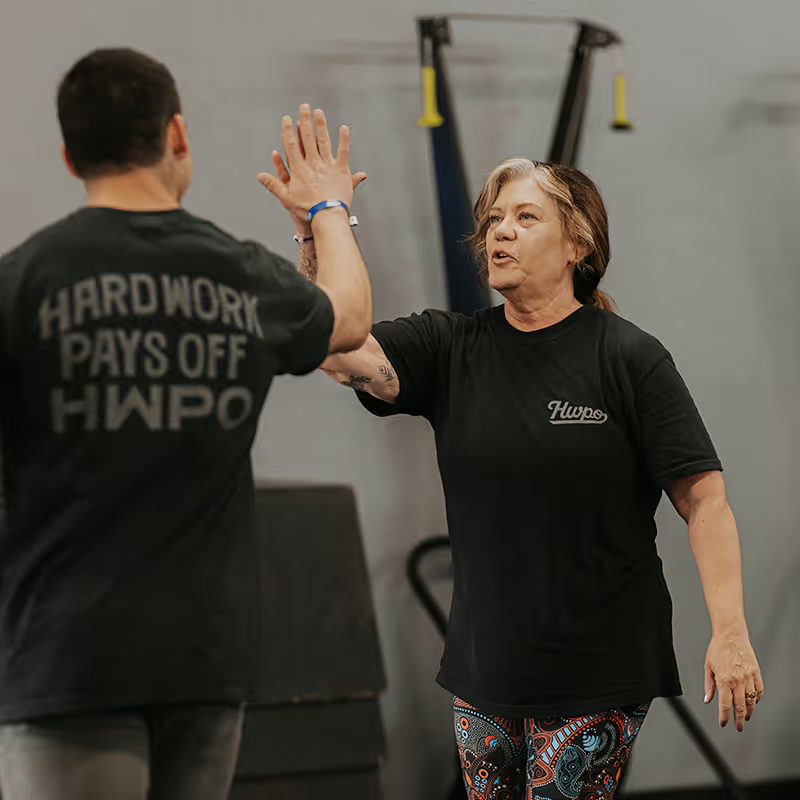
Built for athletes chasing the podium
If training is your priority and you’re building toward elite competition, HWPO INDIVIDUAL offers direct coaching, accountability, and collaboration to help you perform at your highest level.