The Power And Value Of Training With A Partner
Training alone can build discipline, but it’s not always the most effective way to progress. For many people, the missing piece isn’t a better program, it’s the environment they train in. Working alongside others can improve consistency, increase effort, and make the process more enjoyable, all of which play a key role in long-term results.
lower%2520volume.avif)
I think it is safe to say that the majority of “old school” training, and when people make a personal goal (fitness-related), after spending years neglecting it, it has been completed alone. Head down, headphones in, grinding alone.
While solo sessions absolutely have their place, there’s a unique and powerful advantage to sharing the training experience with a partner or a group of like-minded individuals. Whether your goal is strength, endurance, consistency, or simply enjoying the process more, training alongside others can elevate your results in ways that go far beyond the weight you move.
Built-in accountability
Motivation is unreliable. Accountability is not.
When someone is expecting you to show up, whether it’s a single training partner or a group class, it becomes much harder to skip/miss a session. You’re no longer just letting yourself down; you’re letting someone else down, too and will more often than not be called out for it in some fashion. That subtle shift in responsibility can be the difference between consistency and inconsistency over months and years, and it compounds.
Consistency, not perfection, is what drives long-term progress and immediate results. Training with others helps ensure you keep SHOWING UP, especially on the days when motivation is low.
Higher effort, better output
Most people train harder when others are around.
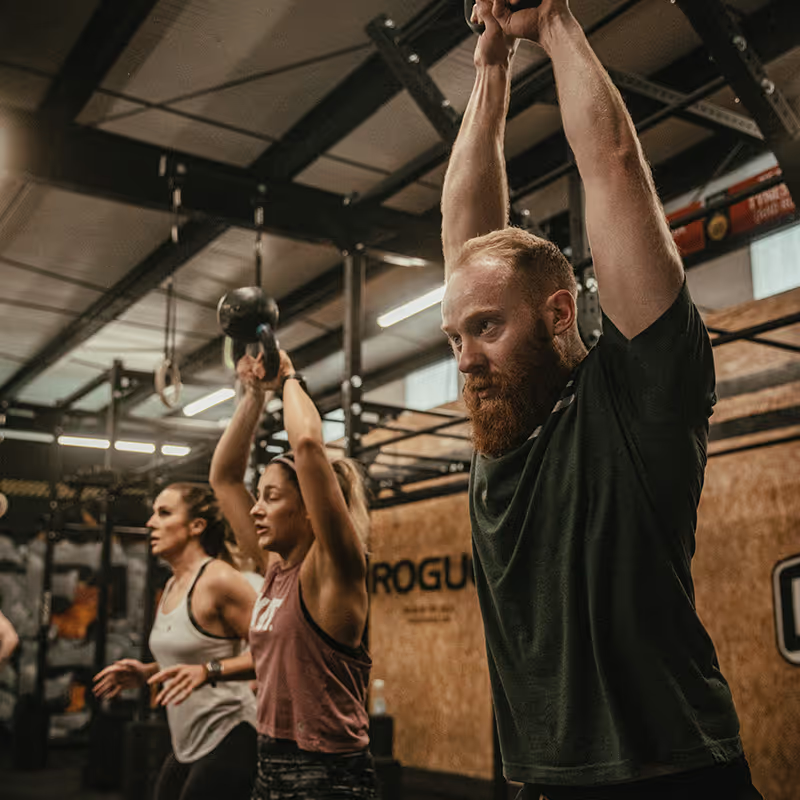
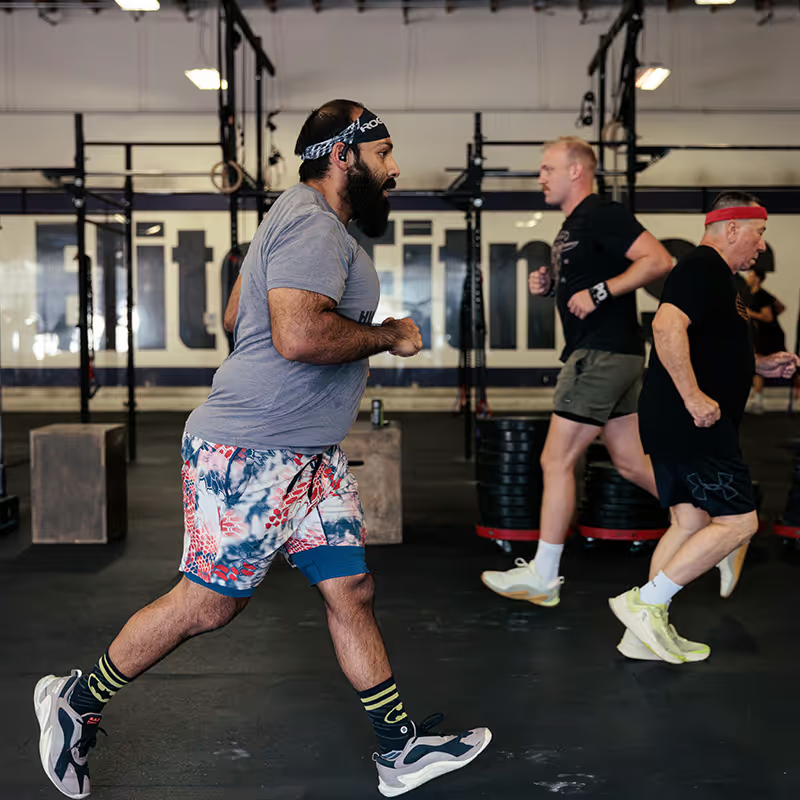
A training partner can push you to get one more rep, add a little more weight, or maintain a better pace during conditioning. In group settings, energy becomes contagious, and everyone’s effort rises simply because you’re surrounded by others working hard toward a common goal. Even if no one is actually watching you, we don’t want to be the only one not trying.
This doesn’t mean reckless competition day in and day out. It means positive pressure that encourages you to push yourself to effort levels you might not have been able to reach when working out alone. Over time, those small increases in intensity compound into very noticeable progress and gains.
Improved technique and awareness
Having another set of eyes on you matters.
A partner can notice breakdowns in form, changes in posture, or subtle compensations that you may not feel in the moment of performing the movement. This is obvious, but in group environments, especially those led by a coach, real-time feedback helps reinforce good movement habits and reduces the risk of injuries. Leading to moving a heavier load sooner, due to confidence in movement quality.
Even experienced athletes benefit from external feedback. We all have blind spots, and training with others helps expose and address them. The toolbox of correction cues is endless, and we have all had our own experiences to share with one another.
Emotional and mental support
Training isn’t just physical; it’s, without a doubt, also emotional and psychological.
There will be days when progress stalls, injuries flare up, or life stressors bleed into your workouts. That is inevitable… we are all human, and being human is A LOT!
There is a lot going on in our lives outside of our gym walls. Having others around who understand the process provides reassurance, perspective and support. Sharing a training regimen with someone is an intimate relationship that should not be overlooked. You are doing hard things to become a better version of yourself with others; that's a vulnerable commitment. A training partner can normalize setbacks and remind you that dips in performance are part of the journey, not a failure.
That sense of shared struggle builds confidence, patience, and long-term commitment.
Enjoyment and sustainability
The best program in the world is useless if you don’t enjoy what you are committing to do on a daily basis.
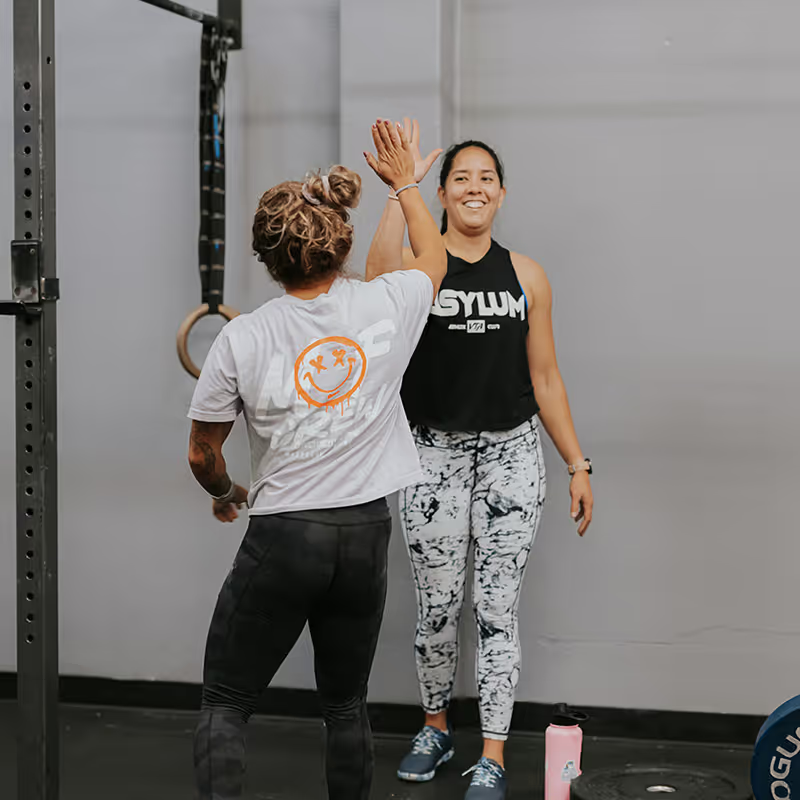
Training with others is simply more fun. Conversation between sets, shared wins, inside jokes, and collective challenges transform workouts from a task into a social experience together. Enjoyment increases adherence, and adherence is what makes training sustainable for years.
For many people, community is the missing link between starting a program and sticking with it long term.
A sense of belonging and identity
Humans are wired for connection with others.
Being part of a training group creates a sense of identity: this is what we do. That identity reinforces positive habits outside the gym as well. It doesn’t stop at the front door of the gym. Better recovery, smarter nutrition choices, and more intentional scheduling of training time, because of the importance it now carries in your day-to-day life.
When training becomes part of a shared culture instead of an isolated task, it’s easier to prioritize and protect.
Finding the right training environment
Not all training partners or groups are the same. The goal is not comparison or ego, it’s support, effort, and growth. Look for environments that:
- Encourage consistency over extremes.
- Value good movement and longevity.
- Foster positive energy rather than judgment and carry the vibe you desire to surround yourself with on a daily basis.
- Align with your goals and be able to meet you where you are in your fitness journey.
When those elements are in place, training becomes something you look forward to, not something you force yourself to do.
Final thoughts
Training alone can build discipline and, at times, be exactly what someone needs to turn off the noise in their day-to-day life outside the gym. Training together builds momentum. It depends on the season of life you are in at that particular moment.
A partner or group won’t replace your personal responsibility, but it will amplify it. It raises effort, sharpens execution, strengthens mindset, and makes the process more enjoyable. Over time, those benefits stack up just like strength gains.
If you’ve been stuck, inconsistent, or simply bored with training, consider this: you may not need a new program; you may just need the right people beside you.
Train with a community that pushes you
HWPO programs bring structure, coaching, and a global community together to help you train consistently, improve performance, and enjoy the process along the way.