What Happens When The Work Gets Hard
Most athletes can move well when they are fresh, but the real test of training is what happens when fatigue sets in, the bar feels heavier than it should, and your body is telling you to cut corners. The biggest gap between good athletes and great ones is not knowledge; it is the ability to apply what you know under pressure. In this blog, we break down why your standards only matter if they SHOW UP when it is hard, and how to start building non-negotiables into your training that hold up when intensity arrives.
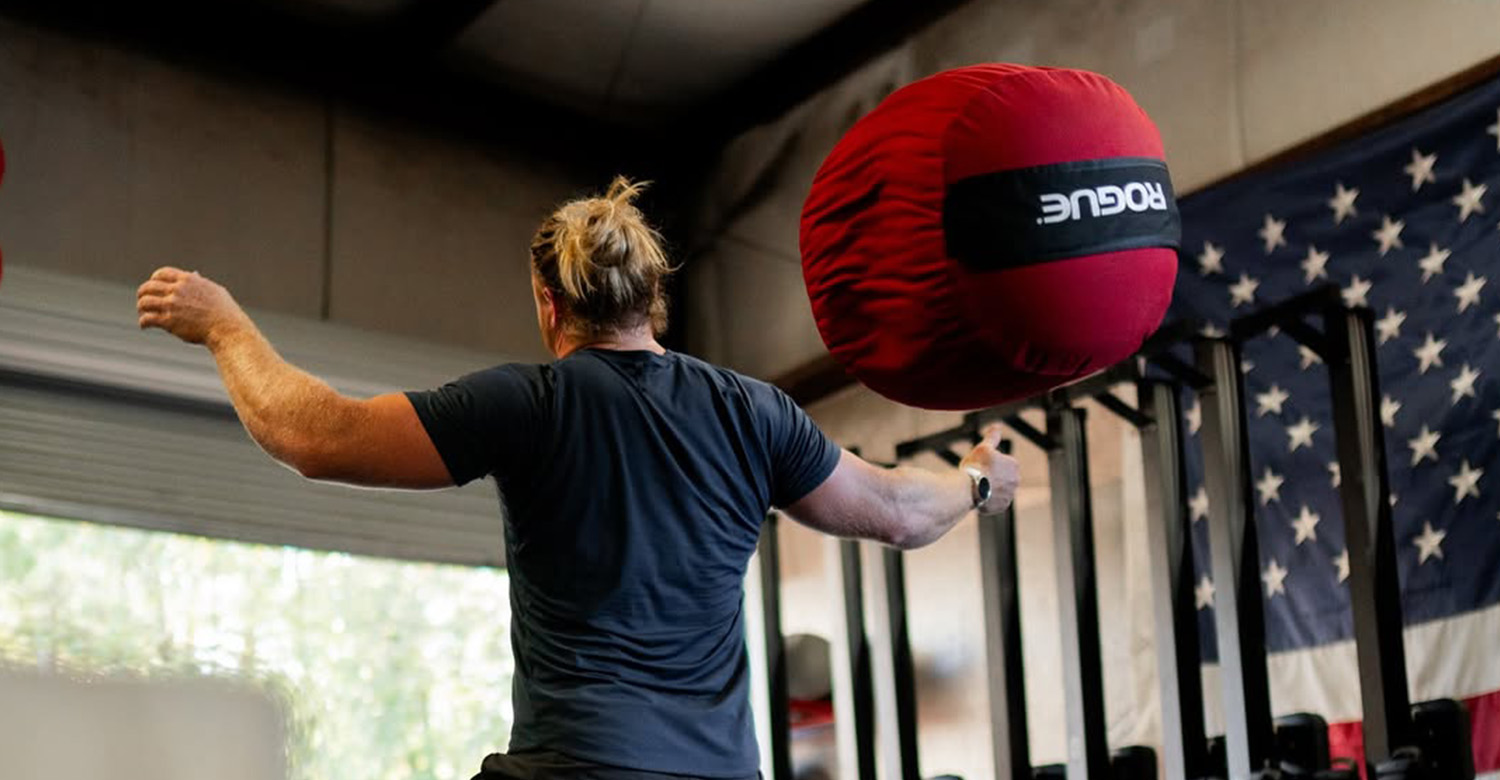
Most athletes can do things right.
They move well in warm-ups.
They hit positions when they’re fresh.
They understand what it’s supposed to look like.
But then the workout starts… and everything changes.
Positions break down.
Standards slip.
Intent fades.
And that’s where progress stops.
You’ve already built a foundation
You’ve spent time learning positions, developing strength, and understanding what quality movement looks like. You’ve also started to recognize that details matter—bar path, timing, breathing, positioning.
But here’s the part most athletes miss:
Those things only matter if they SHOW UP when it’s hard.
The biggest gap we see isn’t knowledge. It's application under fatigue.
Athletes treat training like it has two modes:
- Practice mode (where everything is clean and controlled)
- Workout mode (where anything goes as long as the clock is running)
But at a high level, there is no separation.
The best athletes don’t rise to the moment.
They fall back on their standards.
The goal isn’t just to know the right way to move.
The goal is to default to it when your heart rate is high, your breathing is out of control, and your body is telling you to cut corners.
That’s the difference.
Anyone can move well when they’re fresh. Very few can hold that standard when they’re under pressure.
This is where real training happens
Not in perfect conditions, but in controlled discomfort.
- Can you keep your positions when the bar feels heavier than it should?
- Can you control your breathing at threshold instead of panicking?
- Can you maintain mechanics when fatigue is trying to pull you out of them?
- Can you make the right decision when it would be easier not to?
That’s the work.
If you want to actually improve, you need to start building non-negotiables into your training.
Not when it’s convenient, when it’s difficult.
That might look like:
- Slowing your transitions on purpose to stay composed
- Holding positions longer than you want to
- Resetting when movement breaks down instead of pushing through it
- Calling your own no-reps in training
- Refusing to let intensity override quality
Simple example:
5 rounds:
10 thrusters
10 chest-to-bar pull-ups
Standard:
If positions break down, you reset. No exceptions.
Now it’s not just a workout.
It’s a test of your standard.
Because at the end of the day, this isn’t about one session.
It’s about identity.
Are you someone who does things right when it’s easy?
Or are you someone who holds the line when it’s hard?
Foundation gives you the tools.
Details sharpen them.
But none of it matters if it disappears the moment intensity shows up.
What you do when it’s hard;
That’s what defines your training.
That’s what defines your progress.
That’s what actually matters.
Ready to train at a higher standard?
HWPO programs are built around exactly this principle. Every session is designed to help you develop the habits, positions and standards that hold up when it gets hard.