Comparison Slows Progress
Comparison is unavoidable in a competitive sport like CrossFit®. Leaderboards, competitions, and social media make it easy to measure yourself against other athletes. The challenge is knowing when comparison helps you improve and when it distracts you from the work that actually matters. This blog explores how to use comparison as a tool for growth without letting it derail your own journey.
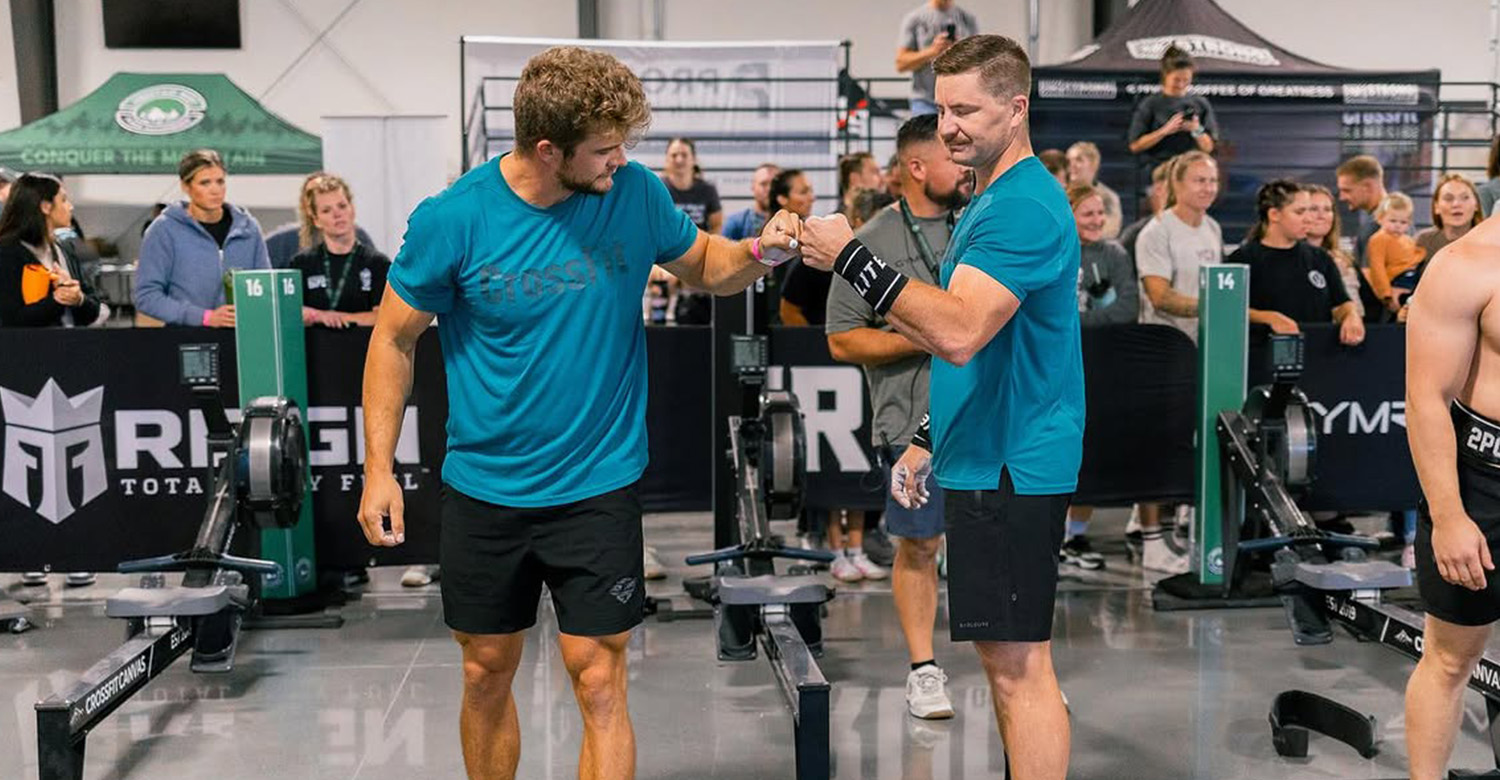
We have all been there.
You stack together a few really good weeks of training, and it finally feels like things are clicking. Your lifts are moving well, your engine feels better, and you feel confident that the work you’re doing is paying off.
Then you open social media or look at a leaderboard.
You see a fellow competitor doing something incredible, and suddenly that confidence turns into doubt. Now you’re questioning if you’re doing enough, if your program is wrong, or if you’re somehow falling behind because someone else is having a big moment.
That spiral happens fast.
Comparison will always exist
The tricky part is comparison will always exist in CrossFit® because it is a competitive sport. We literally sign up to be tested and compared. Leaderboards are part of the game. Competition weekends are meant to show you where you stack up.
And honestly, comparison can be really healthy in those moments.
After a competition- the Open, Quarterfinals, Semifinals, or any major event- looking at where you finished and how others performed can give you a ton of clarity. It can show you where you got exposed, where your strengths held up, and what areas need more attention moving forward. That kind of comparison helps shape future goals and training cycles.
When comparison becomes dangerous
Where things get dangerous is when comparison becomes part of your daily training process.
Let’s say you want to get as strong as Griffin Roelle.
You watch him move insane weight, and now, all of a sudden, you think strength needs to become your entire identity. You start adding extra lifting sessions, increasing percentages above what is prescribed, and trying to accelerate a timeline that realistically takes years to build.
That is how burnout happens.
And if we are being honest, you may never be as strong as Griff, and that is completely okay.
This sport does not reward specialists. Being the strongest athlete in the field doesn’t guarantee success, just like being the best endurance athlete doesn’t either. The goal is to become the most complete version of yourself.
Don't lose sight of yourself and your goals
A lot of athletes lose the forest for the trees.
They become so obsessed with what someone else is doing that they completely abandon what they actually need, and comparison can work in the opposite direction too.
You might see another athlete who struggles in an area where you naturally excel and think you can relax because you already have the advantage. Maybe your gymnastics are ahead of your competitors, so you stop putting intentional work into maintaining that edge.
The best athletes in the sport do not look at someone else’s success and panic. They get curious.
They ask themselves what they can learn from it. They look at their own training, habits, and weaknesses, and figure out where they can continue to grow. That response creates progress. Panic usually creates poor decisions.
It's your journey, not theirs
I know it sounds cheesy, but the only real comparison that matters is who you were six months ago, a year ago, or last season.
Are you fitter? More disciplined? Are your weaknesses becoming less limiting? Are you recovering better? Are you actually enjoying the process more?
Things like journaling, reflection, and taking time to evaluate your own journey can help reinforce this. Your training plan should be built from real data and real goals, not emotions triggered by someone else’s highlight reel. STAY IN YOUR LANE.
Progress happens much faster when your energy is poured into your own growth instead of obsessing over someone else’s journey.
And don’t be afraid of the HARD WORK; it will pay off.
Focus on your progress, not someone else's
HWPO programs are built around long-term development, helping you improve your weaknesses, build on your strengths, and stay focused on what matters most: becoming a better athlete than you were yesterday.