Lessons Learned From A Failed Goal
It's easy to measure success by whether we hit a goal. But sometimes the most valuable part of pursuing a challenge isn't the final result; it's the habits and routines we build along the way. This blog explores how a simple step goal became a lesson in consistency, resilience, and the true value of the process.
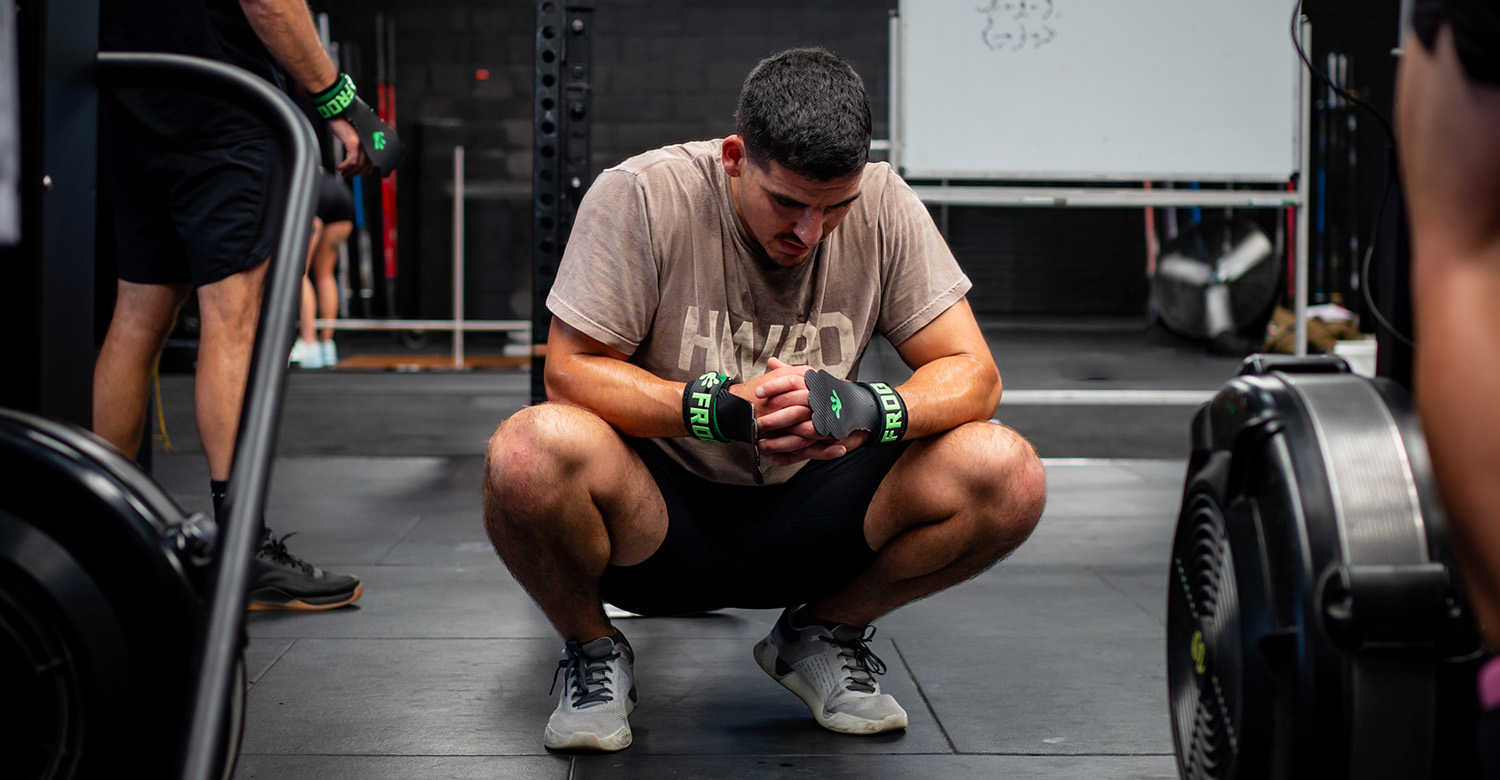
At the end of 2025, I accidentally started a streak that became much more significant to me than I ever expected.
After a recent move and a heavy amount of work-related travel, I had struggled to find consistency in my own training routine. I was still training, but not with the same rhythm or structure I was used to. Between flights, long hours sitting at a computer, and being out of my normal environment, I realized I simply was not moving as much overall as I probably could. My hips, back, knees, and shoulders all felt tighter and creakier in the gym. I was spending more time hunched over a desk and less time simply moving throughout the day, and my body was starting to let me know about it.
I happened to have friends visiting for the New Year’s holiday, and over a few busy days together, I accidentally hit 10,000 steps three days in a row. My Garmin watch tracks streaks like this, and I knew my previous best streak of hitting 10K steps was only ten consecutive days. In my mind, I had always assumed that streak would stay relatively low because I usually took at least one true rest day per week from training.
My 2026 goal
Going into 2026, I decided to intentionally pursue a goal of hitting 10,000 steps every day for my own health and well-being.
Initially, it seemed simple enough. Walk more. Move more. Spend less time sitting still.
Very quickly, though, I noticed legitimate benefits. Mentally, I felt clearer. The extra time outside helped me decompress from work, travel stress, and even my training. Physically, I started feeling less stiff in the gym. My body simply felt better when I moved more consistently throughout the day. The days started stacking up. I passed my previous best streak of ten days, then hit fifteen, then twenty-five, then fifty. I talked about it constantly with close friends, family, and coworkers because, honestly, I was excited.
Internalizing the challenge
Around day sixty, though, I figured that nobody probably wanted to hear endless updates about something that realistically only I cared deeply about. Even though I continued taking the goal very seriously, it became much more of an internal challenge from that point forward.
I started to build a true appreciation for how creative I became in finding ways to keep the streak alive.
Travel days, time zone changes, full schedules, rain, cold, heat, long workdays — none of it mattered. I once pulled over on the side of a Texas highway on a late-night drive and ran alongside an access road to finish my steps. I woke up early before flights to sneak in walks or runs just to ensure the goal was hit before the day got away from me.
After completing a solo 24-hour adventure race where I accumulated over 60,000 steps in a single day, I still forced myself to walk the following day, despite very blistered feet, because I did not want to break the streak. One night in Madrid, I realized I was running out of time and ended up jogging through the hallways of my hotel while staring down at my watch. I hit 10,000 steps at exactly 11:59 PM – the relief of “surviving” another day of my streak was pretty much euphoric.
Living and breathing the challenge
It sounds ridiculous when written out like this, and honestly, parts of it probably were ridiculous. But the streak became important to me.
I found myself constantly thinking about how cool it would be to complete an entire calendar year of 10,000 steps every single day. Three hundred and sixty-five consecutive days of movement. Three hundred and sixty-five days of intentionally making time to move my body, regardless of how busy life became. I thought often about how rewarding it would feel to look back at the end of the year and know how many places I had seen, how much movement I had accumulated, and how positively this had affected both my physical and mental health.
One of the biggest realizations I had through all of this was that even on days where I did not make time to formally train, I was still moving. There was value in that. A lot of value.
Then, on what would have been day 129, without realizing it, the streak ended. I was behind on sleep, had already accumulated over 9,400 steps that day, and knew I was close enough that I would almost certainly finish the remaining steps naturally by walking around my house during my normal activities. But, without meaning to, I fell asleep on the couch.
When I woke up, I did not even realize what had happened. I went through my normal nightly routine and went to bed.
The accidental end
The next evening, after coming in from yet another walk, I checked my watch expecting to see “130” displayed for my streak count. Instead, my watch said “1.”
I instantly let out an audible groan of disappointment. Devastating.
I was genuinely upset. For a while, it felt like the entire goal had been wasted. The idea of reaching a full year was gone because of 566 steps. Less than ten minutes of walking would have saved it.
But after sitting with that disappointment for a couple of days, I realized something important: the streak itself may have ended, but the habits absolutely did not.
Within that same week, I found myself still going on walks. Still prioritizing movement. Still hitting 10,000 steps many days without even consciously trying to anymore. Somewhere along the way, the process itself had become part of my lifestyle.
I think there is probably an important lesson in that.
A lot of people approach health, fitness, or training goals with the mindset that success only counts if the end result is perfectly achieved. If the bodyweight target is not reached, if the streak ends, if the competition does not go exactly as planned, or if the training block is interrupted, then it can feel like the effort was meaningless.
But real progress usually is not that fragile.
The value of a goal often comes less from the final outcome itself, but more from the habits, structure, and perspective built while pursuing it. In my case, the goal of walking 10,000 steps every day forced me to consistently prioritize movement, get outside more, and spend less time sitting still. I became more intentional about my health during a season of life when consistency had previously been difficult to find.
The lessons learned
The streak ending did not erase any of those benefits. If anything, it proved the habit had actually taken hold.
I still walk far more than I did before starting that personal challenge. My body still feels better because of it. My mind still feels clearer when I spend more time moving outside.
The process changed me long before the streak itself ended.
I think this is important to remember in training, too. So much of long-term progress comes from the habits and consistency built along the way, not just the final outcome itself. A completed training cycle, a PR, a competition result, or even a perfectly maintained streak can all feel incredibly important in the moment, but the bigger value often comes from the person you become while pursuing those things. Better routines, better discipline, better awareness of your health, and a stronger understanding of what consistency actually looks like over time.
Ironically, I think that probably means my failed streak was successful after all.


Build habits that last
The best training plans do more than improve fitness; they help create the routines and consistency that drive long-term progress. Explore the full range of HWPO programs and find a training approach that supports sustainable growth, both inside and outside the gym.