The Importance Of Plyometric And Unilateral Training In Sport Specific Development
Strength is only part of the picture. To perform at your best in any sport, you need to be able to generate force quickly, move efficiently in multiple directions and stay balanced under pressure. In this blog, we break down two of the most effective training methods for developing these qualities and why combining them makes all the difference.
.jpg)
Whether you're training for CrossFit®, Football, Basketball, Soccer, Baseball, Golf, Volleyball, Tennis, or any other competitive sport, success depends on more than just strength. Athletes must be able to generate force quickly, move efficiently in multiple directions, and maintain balance under challenging conditions. Two of the most effective methods for developing these qualities are plyometric training and unilateral training.
When combined with a well-designed strength and conditioning program, these training methods help athletes become faster, more explosive, more resilient, and better prepared for the unexpected and anticipated demands of competition in their sport.
What is plyometric training?
Plyometric training focuses on producing maximum force in the shortest amount of time. It trains the body's stretch-shortening cycle, allowing muscles and tendons to rapidly absorb force before immediately producing explosive movement.
Common plyometric exercises include:
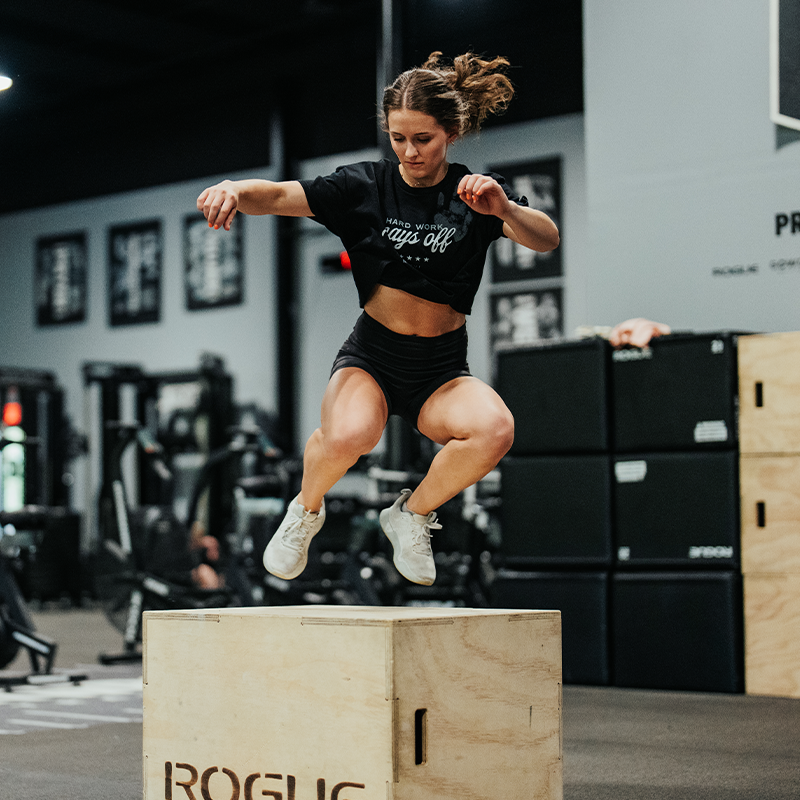
- Box jumps
- Broad jumps
- Depth jumps
- Bounding
- Lateral hops
- Skater hops
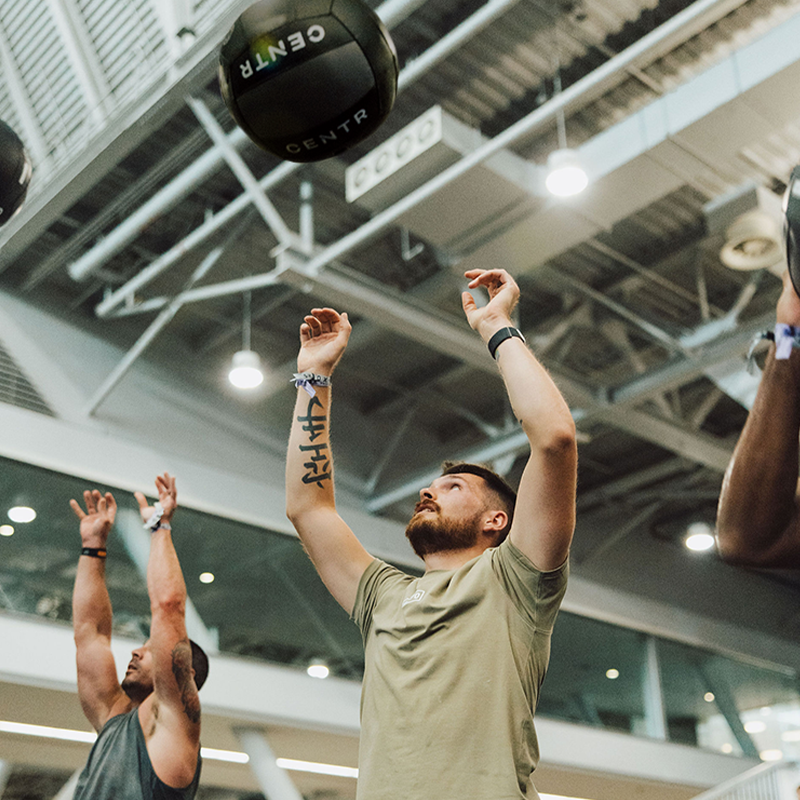
- Medicine ball throws
The primary goal isn't simply jumping higher (although this is a common bonus to consistently training these movements)—it's teaching the body how to absorb weight and react quickly/efficiently.
What are the benefits of plyometric training?
- Improving explosive power: Nearly every sport requires explosive movements such as sprinting, jumping, cutting, throwing, or changing direction. Plyometric exercises improve an athlete's ability to produce force rapidly, leading to greater power output.
- Increasing speed and acceleration: Faster ground contact times help athletes accelerate more efficiently and improve top-end speed. This translates directly to better performance during competition and building strength within the fast-twitch reactive muscles.
- Enhances agility and change of direction: Athletes are constantly required to decelerate, stabilize, and reaccelerate. Plyometric drills develop the reactive strength needed for quick and efficient directional changes.
- Reduces injury risk/promoting prehab instead of relying on rehab: Properly programmed plyometrics improve landing mechanics, joint stability, and tendon stiffness, helping athletes absorb force safely and reducing the likelihood of preventable lower-body injuries.
What is unilateral training?
Unilateral training involves working one limb at a time. Since most athletic movements occur on one leg or one arm, unilateral exercises closely mimic the demands athletes face during competition.
Examples include:
- Bulgarian split squats
- Single-leg Romanian deadlifts
- Walking lunges
- Step-ups
- Single-arm presses
- Single-arm rows
Rather than relying on both sides of the body equally, unilateral exercises challenge balance, coordination, and stability while exposing strength differences between limbs.
Sprinkling in Rotational Unilateral Movement to your exercises is a step better in preparing your body for anything thrown its way in sport and life.
What are the benefits of unilateral training?
- Corrects muscle imbalances: Most athletes naturally favor one side of their body. Over time, these imbalances can limit performance and increase injury risk. Unilateral training strengthens the weaker side, creating better symmetry and movement quality.
- Improves balance and stability: Sports require athletes to stabilize while running, jumping, cutting, and landing—often on one leg. Unilateral exercises strengthen the muscles responsible for maintaining balance and control.
- Develops functional strength: Many sport-specific movements occur while one foot is in contact with the ground. Single-leg strength improves force production in positions that closely resemble athletic performance.
- Enhances core activation: Because the body must resist rotation and maintain alignment during unilateral movements, the core works harder to stabilize the spine and pelvis. This leads to improved posture, balance, and force transfer.
Why combining both methods matters
While traditional strength training builds a solid foundation, athletes must also learn to apply that strength quickly and efficiently.
Plyometric training develops explosive power, while unilateral training ensures that power can be controlled and expressed during real athletic movements. Together, they bridge the gap between the weight room and game-day performance.
Sport-specific development isn't about lifting the heaviest weights or performing the most complicated exercises. It's about preparing the body to meet the physical demands of competition and the demands of day-to-day life.
Plyometric training develops the explosive power needed to jump higher, sprint faster, and move more efficiently. Unilateral training builds balance, stability, coordination, and functional strength while correcting imbalances that can limit performance or lead to injury.
When integrated into a comprehensive strength and conditioning program, these methods help athletes become more powerful, more efficient, and more resilient…the specific qualities that separate good athletes from great ones.
Train with purpose. Build strength with intention. Develop power that transfers directly to your sport.

Take Your Training Further With HWPO.
HWPO programs are built for athletes who want to train with structure and intent. Whether you are just getting started or looking to take your performance to the next level, find the right program for you and get started today.