What Does Training For Longevity Mean?
For years, the fitness industry has been driven by performance, competition, and pushing limits. But as more people shift their focus towards long-term health, a new question is emerging: how should we train to stay healthy, capable, and independent for decades to come? This blog explores the concept of training for longevity and what the latest research suggests is the most effective approach.
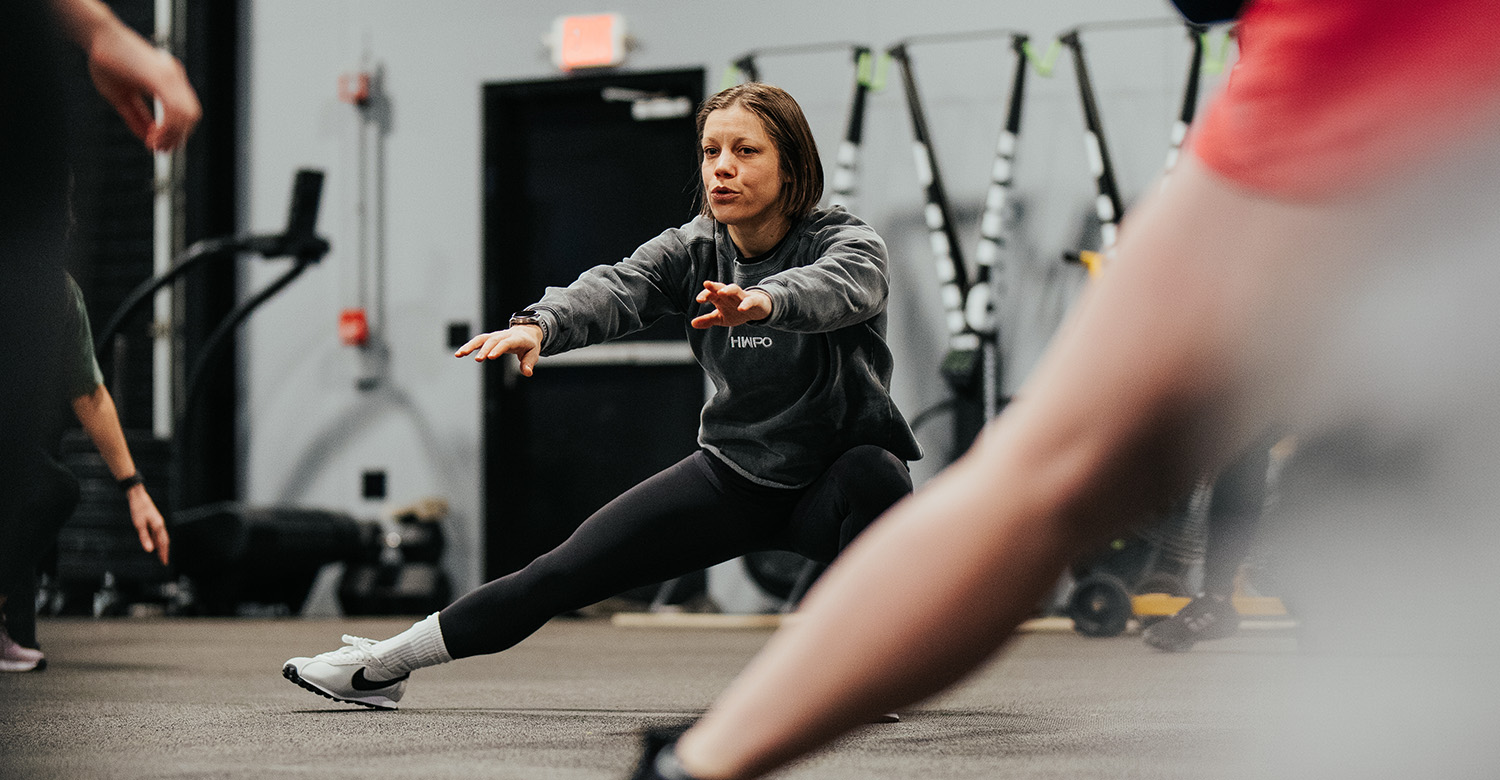
Fitness evolves fast. Trends come and go, and some stick, but many don't. The 70s gave us jogging and aerobics. The 80s pushed intensity: bodybuilding, Jane Fonda, no pain, no gain. The 90s swung toward yoga. Then CrossFit came along in the early 2000s and completely changed the conversation.
Even within my career in this industry, I've watched huge waves move through the space. CrossFit's high-intensity competitive culture dominated for years. Then came Hybrid Training, in which athletes pursue specific goals across multiple fitness domains simultaneously. Endurance exploded during COVID. Run clubs became a genuine community movement. And almost all of it, at least in the last decade, has been tied to performance and competition in some way.
That makes sense. Competition gives us a reason to push. It gets people in the door and keeps them coming back.
The rise of longevity training
But here's what I'm noticing now: the pendulum is swinging again. Recovery has become its own industry. Whole studios now exist that offer nothing but contrast therapy, saunas, and compression boots as their only services. People aren't just chasing PRs anymore; they're asking a different question. What do I need to do today so that I'm still doing this at 70?
That's the question behind what many are calling "Training for Longevity."
So what does that actually mean?
After digging into the research, the honest answer is: there's no official definition. It's not a specific training protocol. It's more of an approach. One that focuses on finding the right dose of exercise to maximize long-term health. Cardiovascular health, joint health, metabolic function. The kind of stuff that keeps you moving and independent well into old age.
And here's the part that might surprise you: more isn't always better. One study suggests that prolonged high-intensity & high volume training can actually start to work against the very health markers you're trying to improve. That's not a reason to back off entirely; it's a reason to be smart.
What the research actually says
A major study published earlier this year in BMJ Medicine tried to answer a specific question: does it matter what you do, or only how much you do?
The study drew on two long-running US cohort studies: the Nurses' Health Study and the Health Professionals Follow-Up Study. These two studies tracked over 111,000 participants across roughly 30 years, with more than 38,000 deaths recorded. That's a significant dataset.
Here's what they found:
Any movement helps, but there's a ceiling. Whether it was walking, lifting, or racquet sports, every activity they studied was associated with lower mortality. HOWEVER, the benefits eventually leveled off. You don't need to do enormous amounts.
Variety matters, independently of volume. People who engaged in a wider range of activities had up to 19% lower all-cause mortality, even when total training volume was the same. Doing different things isn't just more fun. It's actually better for you.
Volume and variety together are the sweet spot. The group that scored highest on both had a 21% lower mortality rate than the lowest-scoring group.
Intensity still has a role. When comparing similar activities, higher-intensity options like running were more strongly associated with lower mortality from cardiovascular and respiratory diseases than lower-intensity options like jogging. Never forget, though, doses of intensity matter; more is not always better.
The takeaway
None of this is that surprising when you step back. We need a balanced mix of activities that we can sustain consistently over many years. Crushing ourselves day after day isn't the answer. Neither is going through the motions indefinitely. Our systems need to be challenged, but in ways we can keep SHOWING UP for.
Move often. Do different things. Let your heart rate climb sometimes. Do that consistently over time, and you will be healthier, longer.
If your goal is to still be moving well into your 70s and 80s, the strategy is simpler than the industry makes it sound: do as many different things as your schedule allows, say yes to new challenges, and don't underestimate a walk.
SOURCES:
https://pmc.ncbi.nlm.nih.gov/articles/PMC7431070/
(APA (7th ed.) Han, H., Hu, J., Lee, D. H., Zhang, Y., Giovannucci, E., Stampfer, M. J., Hu, F. B., Hu, Y., & Sun, Q. (2026). Physical activity types, variety, and mortality: results from two prospective cohort studies. BMJ Medicine, 5(1), e001513. https://bmjmedicine.bmj.com/content/5/1/e001513
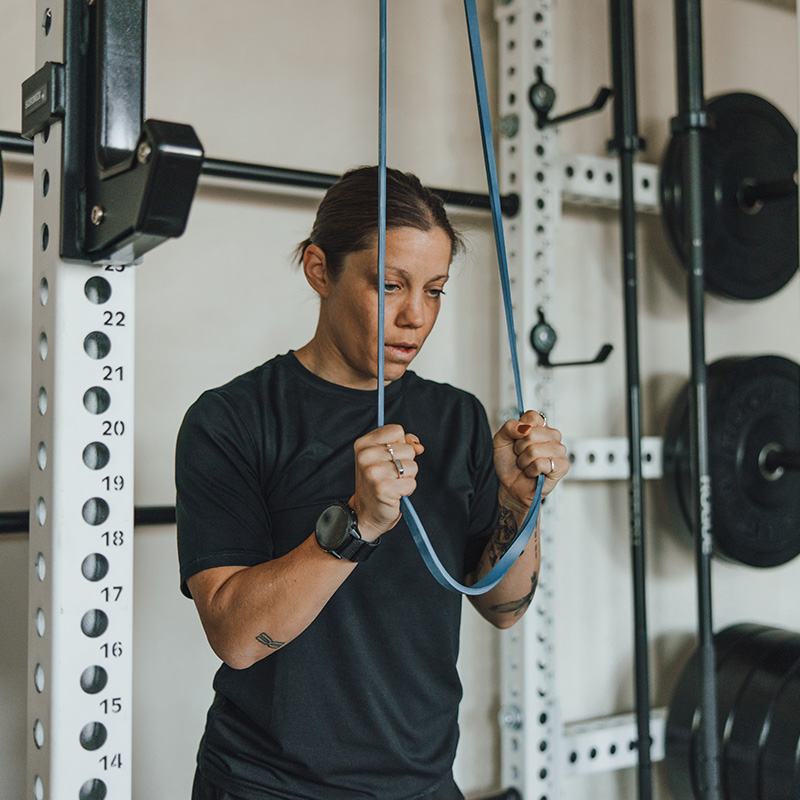
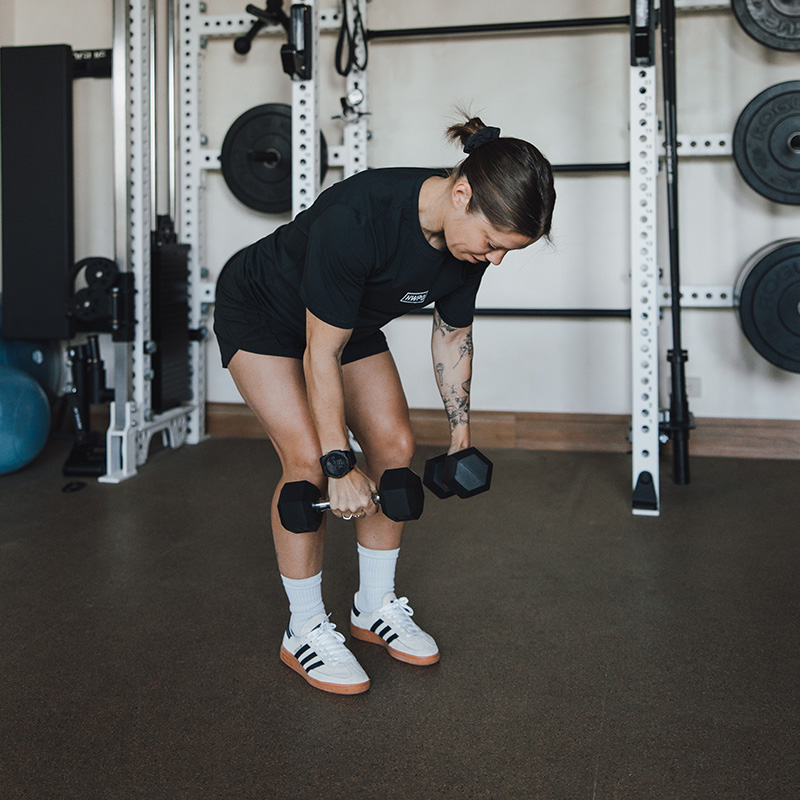
Train today for a healthier future
HWPO programs are designed to help you build strength, conditioning, resilience, and consistency for the long term. Whether you're chasing performance or simply want to keep moving well for years to come, there's a program to support your goals.