Why More Training Isn’t Always Better
Some of the most productive work an athlete does never leaves them lying on the floor. Coach Griffin Roelle blog looks at how to measure hard work by what it builds rather than how it feels, and why the right effort, aimed at the right task, will take you further than simply doing more.
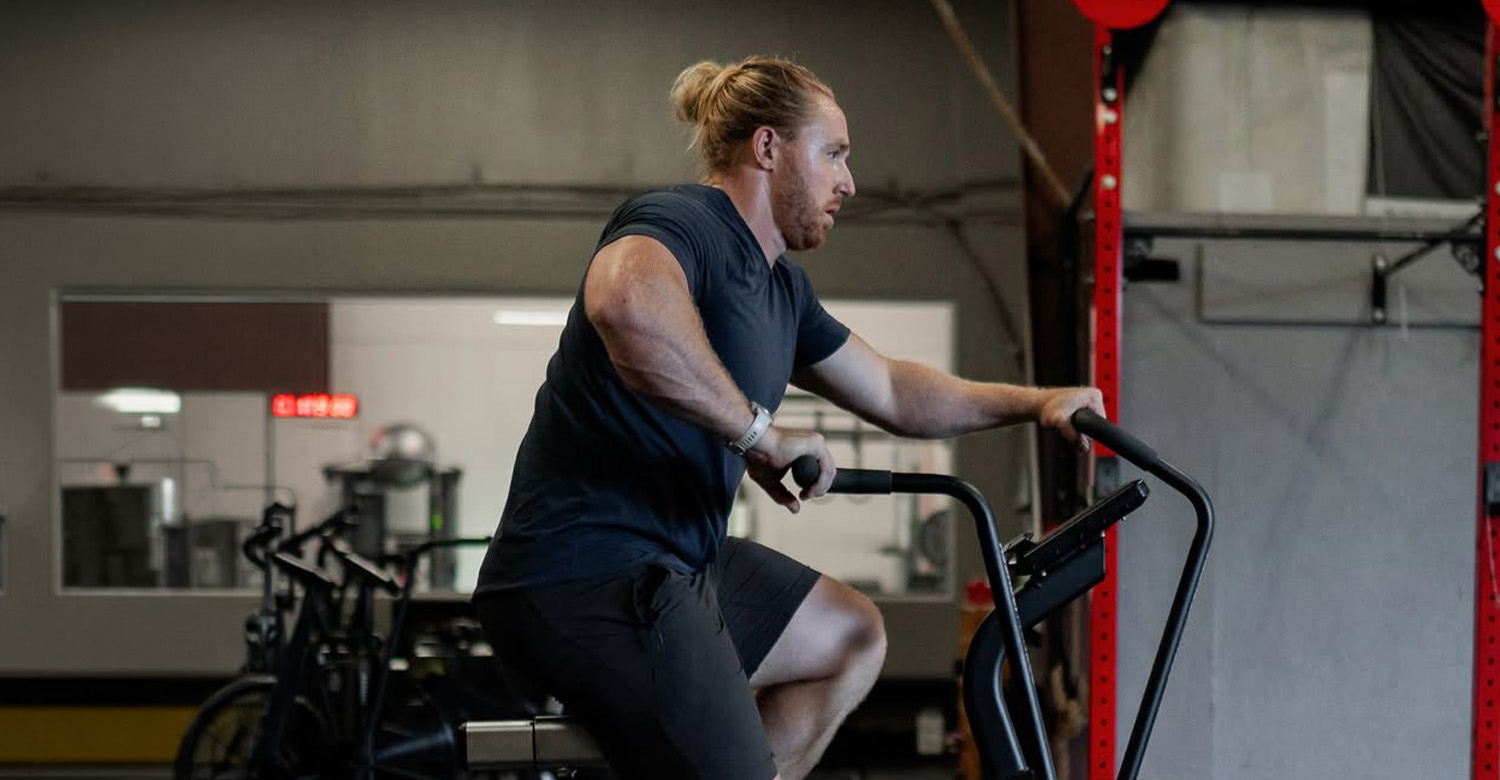
Quality over fatigue: athletes often measure a good day by how long they trained or how exhausted they felt. But progress comes from applying the right effort to the right task, then recovering well enough to do it again.
The wrong measure of hard work
I see the same pattern with athletes all the time. If they are not doing more physical work, spending six or more hours in the gym, or lying on the ground after every session, they feel like they did not work hard enough.
Exhaustion is easy to recognize. Quality is harder to measure. A long day feels productive because the athlete can point to the hours, the sweat, and the soreness. The problem is that none of those things guarantees improvement. Fatigue only tells you that the work cost something. It does not tell you whether the work moved you toward the goal.
There are days when training should be uncomfortable. There are pieces designed to test your willingness to keep moving when your body wants to slow down. That matters. But when every session becomes a competition to see how tired you can get, you lose sight of the program's purpose.
Training is more than physical work
Athletes often forget how many ways they can improve outside of adding another metcon, another lifting session, or more volume. Watching tape is work. Visualizing a lift or a gymnastics sequence is work. Studying movement, improving mobility, eating with intention, and protecting sleep are all part of becoming a better athlete.
Those things may not leave you on the floor, but they can change what happens the next time you step onto it. Film can show you where your movement breaks down. Visualization can make an unfamiliar situation feel more familiar. Mobility can give you access to better positions. Nutrition and recovery allow your body to adapt to the training you have already done.
Adding more work before you have absorbed the prescribed work can create the opposite result. Your speed drops, your technique changes, and you start practicing poor movement under fatigue. You may be working longer hours, but the quality of your work is going in the wrong direction.
Know the goal of the session
One of the conversations I have most often with my athletes is about how to approach different training pieces. Every piece should not feel the same because every piece does not have the same goal.
A technical session may require full recovery and stopping before mechanics deteriorate. An aerobic piece may require discipline to stay below the pace you know you could hold for a few minutes. A threshold session should teach you how to manage discomfort without turning the opening minutes into a sprint. A competition workout may ask you to take more risk because the goal has changed.
Working hard means being disciplined enough to respect that purpose. Sometimes that means pushing harder. Sometimes it means holding back. Sometimes it means reducing the load, resting longer, or ending a set while the repetitions are still sharp. The best choice is the one that creates the adaptation we are trying to build.
Quality work builds confidence
Intentional training does more than build physical preparedness. It creates mental wins. When an athlete executes a session as designed, they leave with evidence that they can control their pace, hold their positions, make good decisions, and perform under the conditions we chose.
Those wins build self-belief. Confidence does not have to come from a personal record or a competition result. It can come from hitting every rep within the target range, making a technical correction, or staying patient when the plan requires patience. Each successful rep gives the athlete something real to trust later.
More training is not always better. More confidence is. The goal is not false confidence built from telling yourself that you are ready. It is earned confidence built from consistently doing quality work.
Learn to enjoy the process
Athletic development is a marathon, not a sprint. You cannot force years of progress into a few weeks by doubling the amount of work you do. There will always be another weakness to address, another skill to learn, and another level of fitness to build.
That is why learning to enjoy the process matters. If you only feel successful when you are exhausted or when you reach the final goal, most of your training life will feel incomplete. When you learn to value quality reps, better decisions, recovery, and small signs of progress, you create reasons to believe in what you are doing every day.
Train hard when the plan calls for it. Study your sport. Take care of your body. Recover with the same intention you bring to the gym. Most importantly, understand why you are doing each piece of work. The athlete who can do that consistently will keep improving long after the athlete chasing fatigue has burned out!
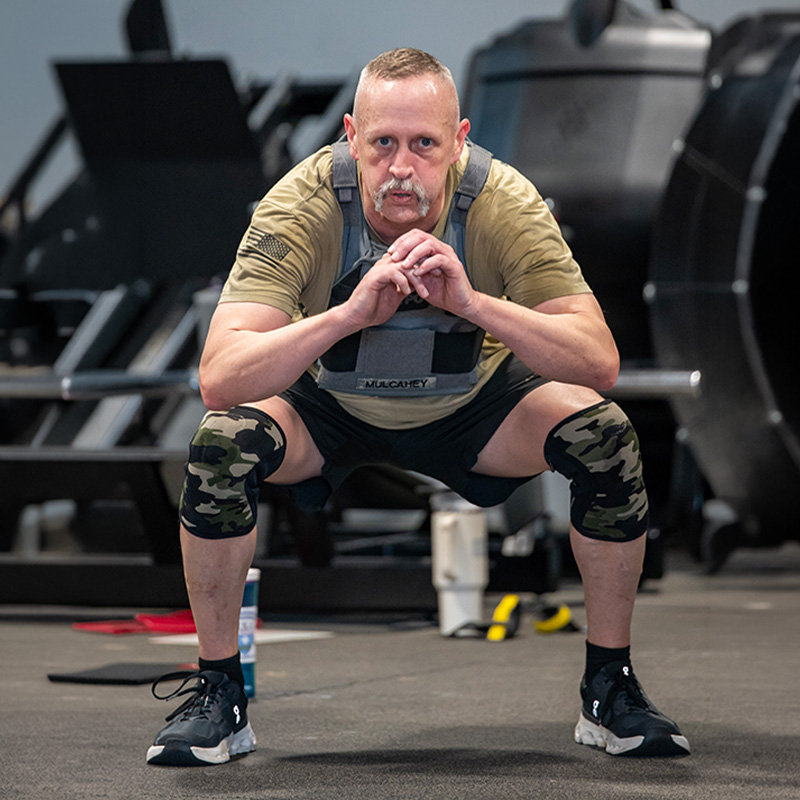


WORK HARD and work With Purpose.
Every HWPO session is built around a clear purpose, so you know exactly what each piece of work is meant to do and can focus on doing it well.