My First Marathon: A Story
The marathon has a way of making you feel like a genius for the first half and a complete beginner for the second. Here is my honest breakdown of race day, what the prep taught me, where it all unravelled, and why I have already signed up to do it again.
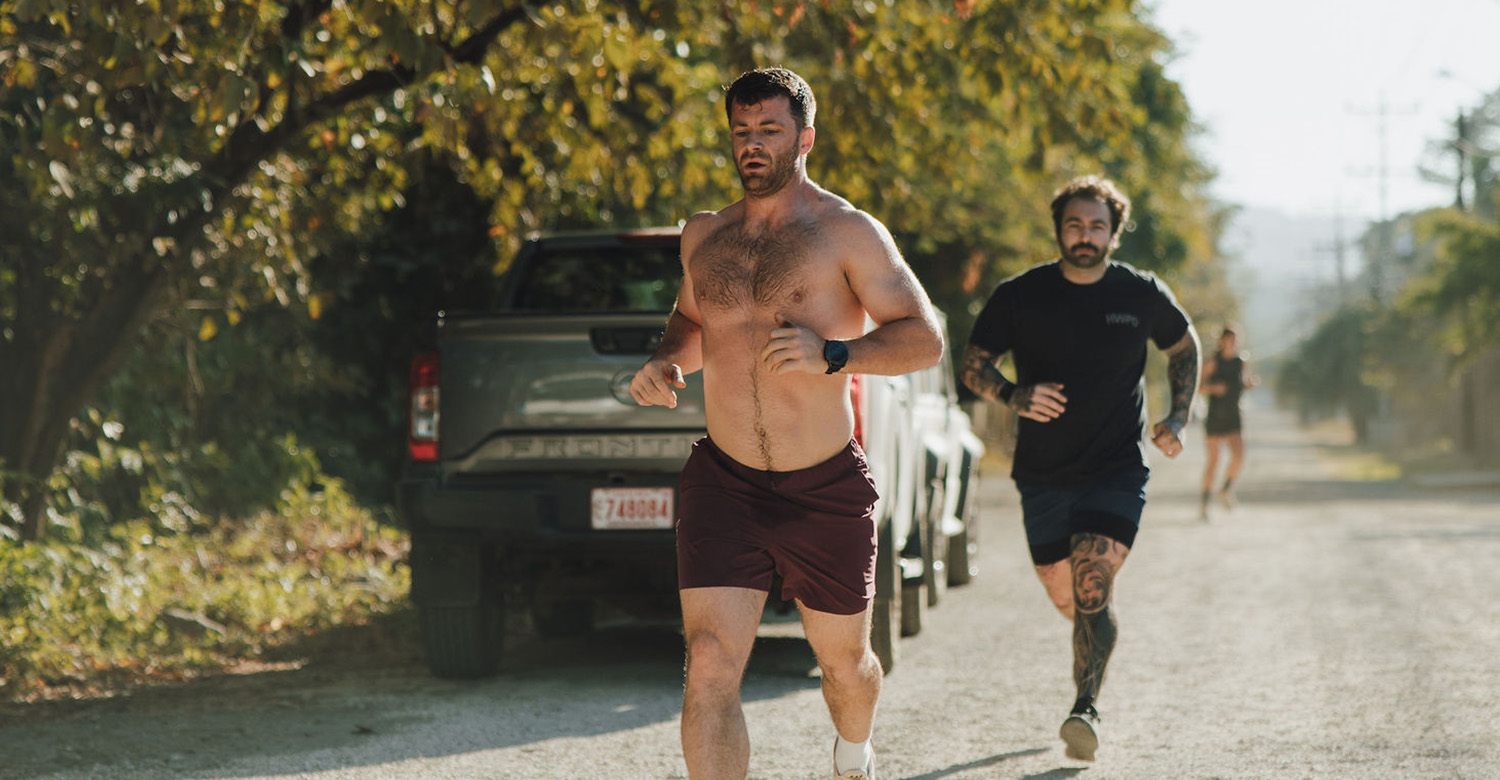
People massively undersell how strange the marathon experience is.
For about 30 km, you feel incredible (If you prepared enough for that distance!). You start calculating unrealistic future race times, questioning whether you accidentally discovered hidden endurance speed, and convincing yourself that you are different from the rest and some kind of ‘game day legend’.
Then somewhere around 32km, the reality check comes in, and you get humbled in front of thousands of people.
The prep
Preparation had actually gone pretty well.
I’d been consistent for 36 weeks leading into the race, outside of a small 4-week layoff in November after tweaking my calf.
The goal from the start wasn’t to become “a runner.” It was simply to see what would happen if I approached marathon prep with consistency and structure rather than just winging it. Running marathons has been something that’s just casually “been done” in my family, so in my mind it was just something I felt I was always going to tick off at some point - the when was something I just wasn’t sure of.
Training started at only 2 runs per week, then gradually increased to 3. Peak weeks reached around 50–55 km, which at the time felt like a lot.
Now that I’ve actually completed a marathon… it somehow feels both like loads of running and absolutely nowhere near enough at the same time.
One thing I did learn during prep is that marathon training rewards patience more than almost anything else. There’s no heroic session that suddenly gets you fit overnight. It’s just small, fairly boring decisions repeated consistently for months.
Newsflash, no different to anything I learnt in my CrossFit career!
0-10km: catfished
The opening 10km felt unreal, possibly the easiest and was close to the fastest 10km I have ever run. Knowing that was nearly my fastest-ever 10 km should have been reason enough to take the foot off the gas. Apparently not.
Heart rate was controlled. Breathing relaxed. Legs fresh. The crowds were cheering and shouting your name as if they only came to watch you.
And this is where the marathon got me.
Because it doesn’t feel hard early on.
In fact, it almost feels too easy.
You spend months hearing horror stories about “the wall,” only to find yourself cruising through the first hour thinking “I genuinely don’t know what everyone’s complaining about here.”
I don’t think a single person passed me in the first 90 minutes of the run, only me going past others. I was on for the win!
I was holding a pace slightly faster than planned, but because everything felt smooth, I convinced myself it was sustainable.
Classic CrossFitter mindset.
10km split: 43:56
Pace: 4:24 min/km
Looking back now, the marathon basically lets you rent confidence early in the race… then sends you the invoice during the final 10km.
10–21 km: false confidence
Honestly, this entire section flew by.
I don’t remember much from it because everything just felt comfortable. Pace stayed consistent, body felt good, fuel was going in fine, and mentally I was relaxed.
This is where marathon brain starts doing dangerous things. You start recalculating finish times every few kilometres and convincing yourself you’re built differently. I’d tracked that I was on for around a 3-hour 10 marathon- which I’d have been buzzing with.
Half marathon split: 1:34:16
Pace: 4:28 min/km
At this point, if you’d asked me how I was feeling, I’d have probably said “honestly? couldn’t be going much better.”
25–30 km: warning signs
This was where the race began to change.
Nothing dramatic at first, just little warning signs through the legs. Small pinches of cramp through the quads, hamstrings and adductors.
The kind of sensations where you immediately start negotiating with your body: “let’s all just stay calm here and get to the finish line together.”
I decided to significantly increase fuelling here, moving from roughly 30g of carbs every 20 minutes to 30g every 15 minutes, while also easing the pace slightly.
That definitely helped for a while.
One thing that surprised me during the marathon was how much of the event becomes problem-solving. You’re constantly making little decisions:
- Do I hold pace or back off?
- Is this cramp temporary or a disaster waiting to happen?
- Am I taking enough fuel?
- Why did I think this sounded fun six months ago?
30km split: 2:16:14
Pace: 4:32 min/km
30–38 km: dark hole
This was where the marathon actually started.
Everything before this point was just the warm-up.
Cramp properly kicked in a couple of times, and every time I tried to increase pace, my legs threatened legal action.
At this stage, I completely abandoned any attachment to finish time expectations. The race became very simple:
Just keep moving forward.
No one tells you how mental the final third of a marathon becomes. Physically, yes, it hurts. But mentally, it’s a constant battle between logic and emotion.
One second you’re thinking:
“I’m never doing this again.”
Then 90 seconds later:
“I reckon I could go sub-3 with another training block.”
I knew I was getting close to seeing the family during this section, and honestly that gave me a huge lift. It’s amazing how much energy you can suddenly find when you see familiar faces shouting at you, while if at any moment you make a sudden movement out of rhythm, you get struck with a crippling cramp. I remember readjusting my bib number safety pin and then the most sudden cramp through my left lat. That was when I knew it was a problem!!
38–42.2 km: survival mode
The longest 4km of my life.
No rhythm left. No smooth pacing. No enjoyment. Just survival.
This was the point where I fully realized I’d been absolutely catfished by the early race atmosphere.
The crowds in the opening miles make you feel like you should be attacking the course. Everyone’s flying past each other. The adrenaline is through the roof. You feel invincible.
Then 3 hours later you’re bargaining with your hamstrings while trying not to seize up entirely; needless to say, I wasn’t only running past people here. Plenty of people were running past me. I was just telling myself, “can they Snatch 100kg though? Didn’t think so”.
Humbling experience.
At some point during the final stretch, I worked out a rough finish time in my head, and, weirdly, that became enough motivation to keep pushing.
The finish line genuinely felt like relief more than celebration.
But crossing it was still one of the most satisfying things I’ve done.
You know what was actually even harder than the marathon: walking another 15,000 to find my car. No phone, no money, asking strangers for directions. Brutal end to a brutal day.
What I Learned
The biggest thing I learned is that marathon fitness and marathon durability are not the same thing.
Aerobically, I felt prepared.
Muscularly? Different story.
The final stages exposed exactly where I need more development - mainly just more time, more miles, and more exposure to the distance itself.
But honestly, that’s part of what makes the marathon so addictive.
You finish knowing exactly where you got humbled… while immediately convincing yourself you can fix it next time.
Which is why, despite spending the final 10km questioning every life decision that led me there…
I’ve already entered again next year.
Want to Train for Your Next Race?
The difference between surviving a marathon and racing one comes down to structure. HWPO RUN gives you exactly that. Start running with purpose today.