The Biggest Comp Prep MIstakes Coaches Make
Competition preparation is not one-size-fits-all, and treating it that way is one of the most common mistakes coaches make. In this blog, Coach Nick breaks down what beginners and elite athletes actually need in the final weeks before a competition, and why getting that wrong can cost them the performance they have worked so hard to build.
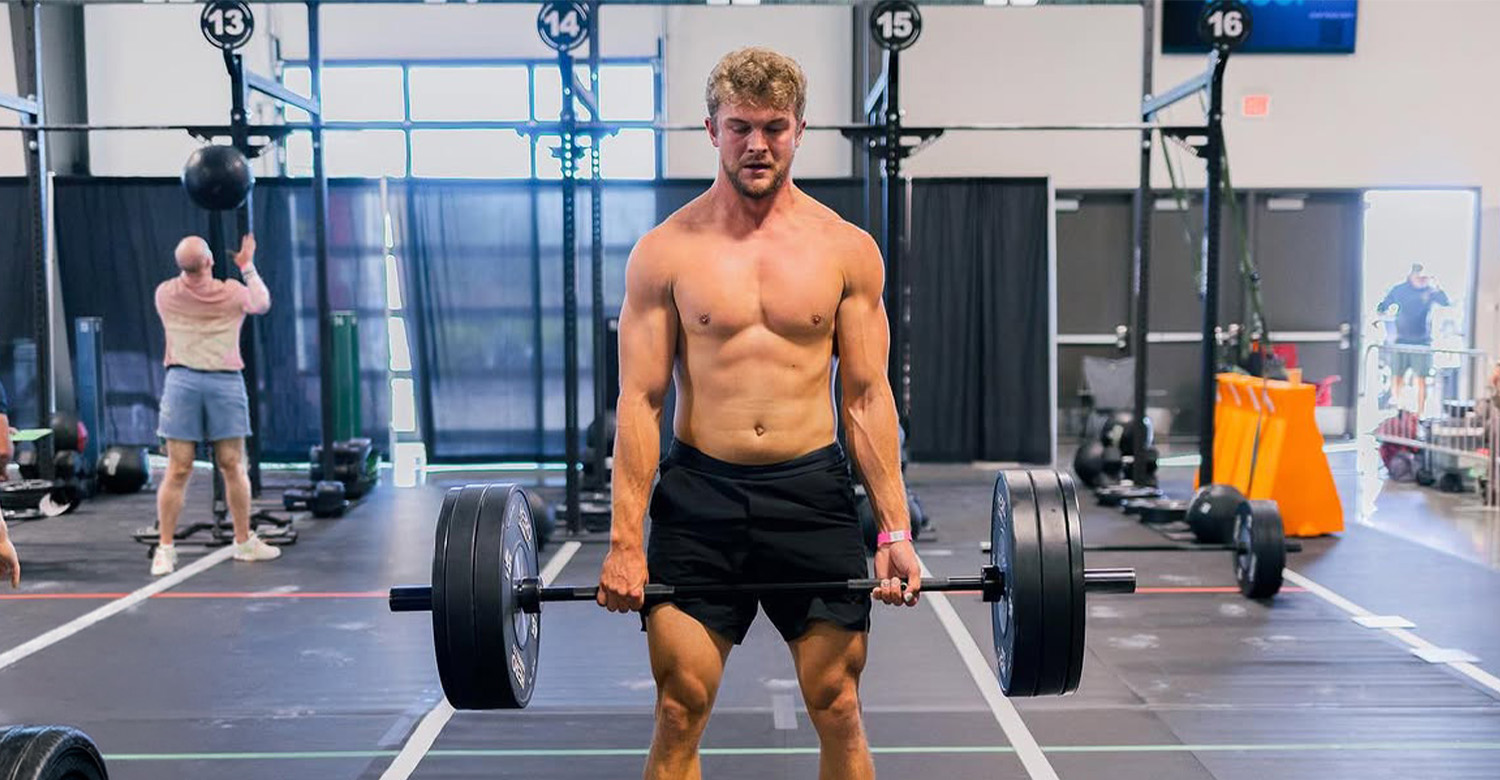
The biggest mistake I see coaches make before a competition is treating every athlete like they need the same thing. Same peaking plan, same final two weeks. Same “trust the process” speech. Same week of hammering competition workouts until everyone is tired and calling it preparation.
I've coached complete beginners walking into their first local competition, and I've coached athletes at the CrossFit Games. Competition prep at those two ends is not the same job. Not even close. The goal is always the same: help the athlete express the fitness they have built. What gets in the way of that is completely different depending on who is standing on the floor.
The final two weeks are not for fitness
Here's the first thing most coaches get wrong, with every level of athlete. In the last one to two weeks before a competition, they ramp up. They add volume. They rehearse the workouts over and over, thinking one more run-through will make the difference.
It won't. Fitness, strength, and aerobic capacity are seldom gained in the final two weeks. But performance can absolutely be lost there.
Touches are good. The athlete should understand the demands of each event: the time domain, where it burns, where it's won. But the game plan matters more than the training session now. Travel. Clothes. Food. The people who will be in their corner that weekend. Every bit of stress you can remove from competition day is worth more than one more hard session.
Recovery is the other half of it. These two weeks are for sleeping, eating right, and taking care of the body. When an athlete shows up to me overworked a week or two out, the intervention is rest and recovery, not one last fitness push. You cannot cram fitness. You can only protect it.
Beginners need certainty
A beginner's intensity is already high. Their heart rate spikes as they walk into the venue. They do not need you to add more. They need you to lower the noise.
That means removing unknowns one by one: movement standards and scaling options known before 3-2-1-go, an opening pace they've practiced instead of one they invent when the person next to them sprints the first thirty seconds, transitions and equipment setup rehearsed, a warm-up plan with actual timing, food and arrival handled.
But the biggest mistake I see from beginners isn't in the prep. It's that they don't compete at all. They wait. They think they need to hold off until they can win something.
I just had an athlete compete in her first competition, and for beginners, the answer to “what's a good result?” is always the same: experience. They are still growing, still learning, still becoming the athlete they want to be. They are not that athlete yet, and every competition floor they step on gives them real feedback and real testing they cannot get in the gym.
We learn more from our losses and our shortcomings than we ever learn from winning. A beginner who finishes every event, sticks to the plan, and walks away with a list of things to work on had a great weekend. That's a win. The leaderboard is feedback, not the goal.
Elites need specificity
An experienced competitor already knows the standards. They have a warm-up. They've eaten at a hundred competitions. Certainty is not their problem.
Their problem is expectations, and this is the detail I see coaches miss most. Before the competition, the athlete needs to know what the goal outcome actually is. Which events are full-send and which ones need blinders on. What a good weekend looks like, defined before the first event, not invented in the car ride home.
We can't frame every competition at the elite level around winning. Winning is the ultimate goal, but the real questions are: did we execute each workout as planned, and did we improve in the areas that have been weaknesses in the past? That's how you judge an elite weekend.
Time of year matters too. An in-season competition is about performance. An off-season competition might be about networking, performing for sponsors, getting on a floor and staying sharp. Different purpose, different prep, different definition of success. If the coach and athlete aren't clear on which one they're walking into, they'll prepare for the wrong one.
What both need
Different jobs, but a few things never change.
- Clarity. The athlete should never wonder what the plan is.
Your job in the final weeks is about managing what they think as well as their performance.
Recovery. Sleep, food, body care. Boring things that decide competitions.
- Honesty after. When the competition is over, the feedback becomes a list of things to work on and the next set of goals. That list is the whole point of going.
The bottom line
If you prepare your beginners like elites, you'll bury them in fatigue and leave them guessing. If you prepare your elites like beginners, you'll waste the last honest weeks before competition on things they mastered years ago.
Know who is standing in front of you. Remove surprises for the ones who need certainty.
Chase details for the ones who need specificity. And stop trying to build fitness in the final two weeks. Protect it instead.
Build belief and let their fitness show.

Train Smart. Compete With Confidence.
HWPO INDIVIDUAL is true 1-to-1 coaching for serious competitors. Work directly with a HWPO coach on a fully customized program aligned to your goals and competition level, with the structure and accountability to perform when it counts. Spots are earned through application.