The Snatch Balance And It's Variants
If you have ever wondered whether there is a difference between a Snatch Balance and a Heaving Snatch Balance, you are not alone. There is a lot of confusion around the variations of this lift, and even more confusion about when to use each one. In this blog, Coach Aimee breaks down all four types of snatch balance, how to perform each one and exactly when to reach for them in training.
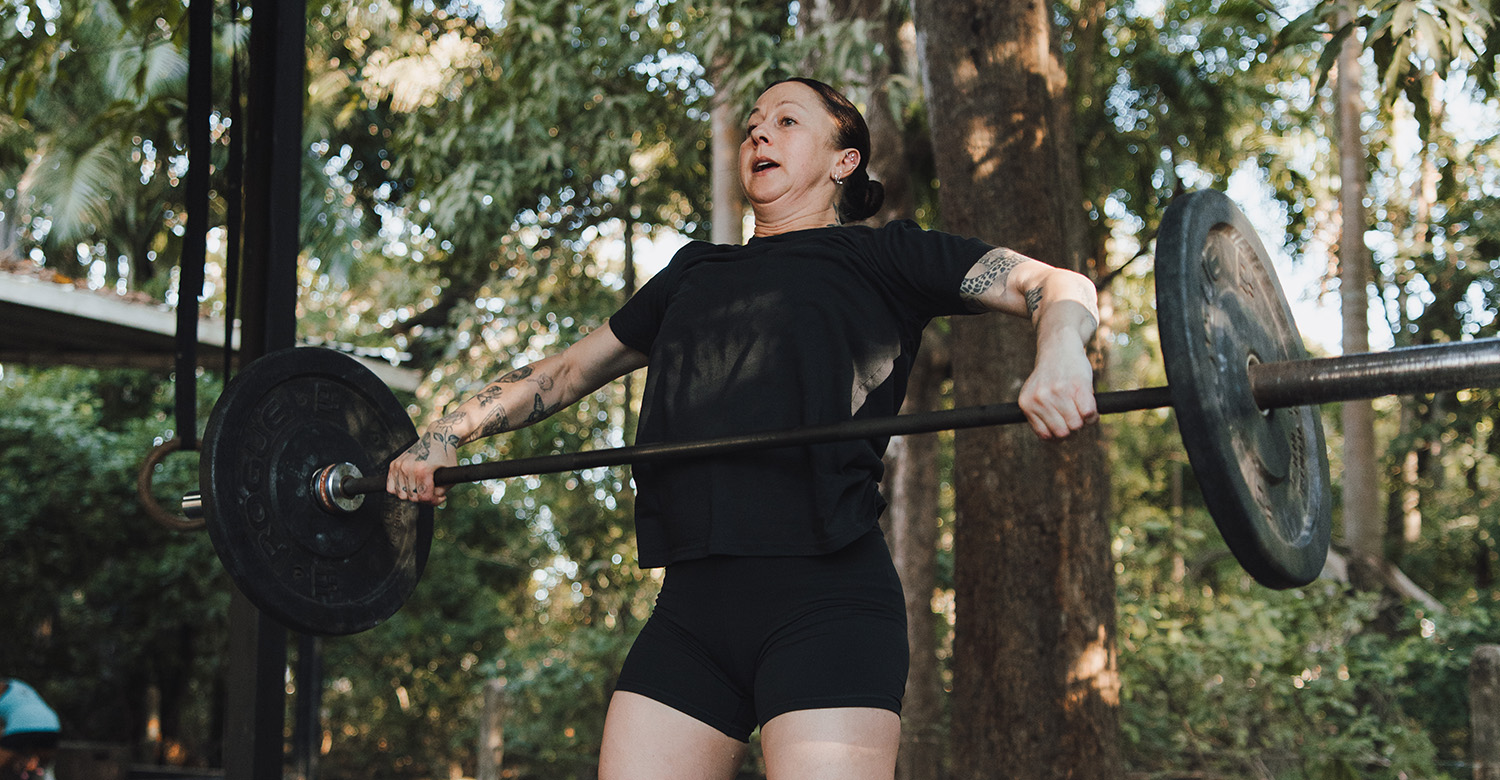
I recently posted to Instagram about the four different types of Snatch Balances, as there is a lot of confusion about the lift– there are those who think there is only ONE kind of snatch balance, and coaches just have different names for the lift, and there are those who know there are multiple variations, but they don’t know HOW they are different. I wanted to show the difference between the variants, but I realized in doing so, it just left more questions on WHEN to use each variant!
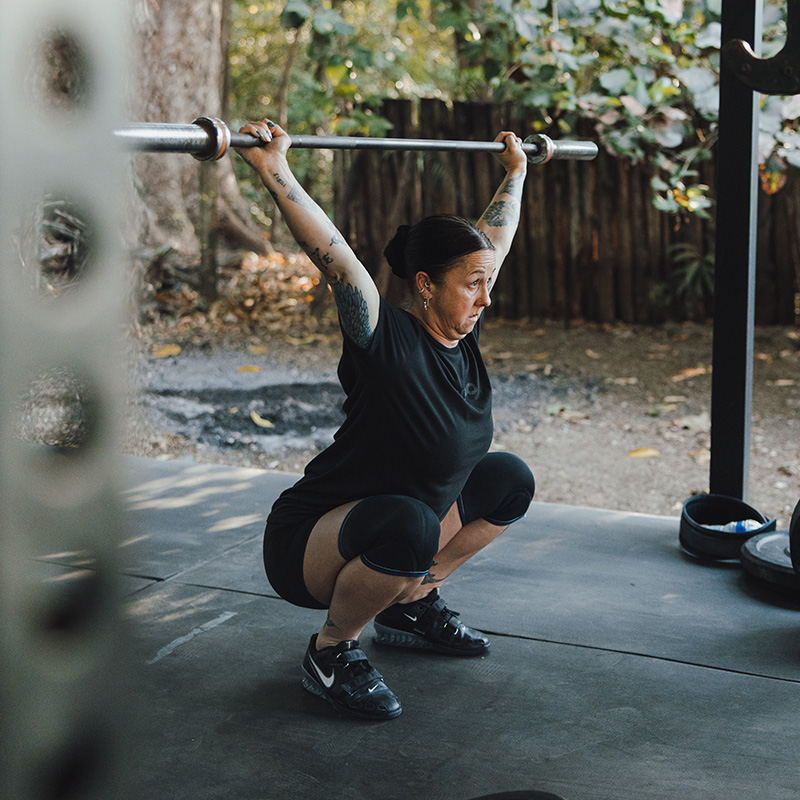
The “Classic” Snatch Balance
This is the primary lift, and arguably the most used. The rest are just versions of it, used for various training and technical drills. It is the most versatile of the four variations, capable of addressing everything from confidence and overhead strength to speed under the bar and receiving position stability.
How to PERFORM:
- Feet start in your starting position (pulling position) and will transition out to your squat position (receiving position).
- Stand with the bar on your back, with your hands in your snatch grip, and the balance of your body over your whole foot.
- Dip and then drive with your legs to get the barbell moving up. Once the bar is unloaded, immediately drive your body down under the bar, quickly transitioning your feet out to your receiving position as you aggressively and purposefully punch up against the bar to receive the bar in a solid and stable overhead position.
- Snatch balances can be done with heavy loads.
When to USE:
- If the lifter needs to build confidence for the snatch. Being able to perform snatch balances with control and stability helps to reinforce a solid snatch receiving position.
- If the lifter needs to build strength and/or heavy load confidence for their snatch. Doing snatch balances with weights that exceed the lifter’s best snatch builds overhead and trunk strength while also getting the lifter more comfortable, stronger, and more confident supporting heavier loads overhead.
- If the lifter needs to improve their speed under the barbell. The snatch balance helps train the aggressive and quick movement down under the bar, while simultaneously punching up against the bar into a quick lockout, rather than simply pushing the bar up like in a snatch push press.
- If the lifter needs to improve and strengthen their instabilities in the receiving position of the snatch. If the lifter struggles with stability and control of the barbell overhead, has a weak overhead or trunk position while receiving a snatch, doing snatch balances with a pause at the bottom is a great exercise.
The Heaving Snatch Balance
This variation is a close relative of the classic snatch balance, but with one key difference. Because the feet stay in the receiving position throughout, the lifter can focus entirely on driving down aggressively without the added complexity of the foot transition.
How to PERFORM:
- Feet start and stay in your squat position (receiving position).
- Stand with the bar on your back, with your hands in your snatch grip, and the balance of your body over your whole foot.
- Dip and then drive with your legs to get the barbell moving up. Once the bar is unloaded, immediately drive your body down under the bar. Your feet will NOT transition or move in this version, but you will still aggressively and purposefully punch up against the bar as you drive your body down to receive the bar in a solid and stable overhead position.
- Heaving snatch balances may need to be done with lighter loads than the snatch balance, depending on the lifter. They have a shorter and less explosive dip and drive, which allows the lifter to focus on speed and an aggressive punch down under the bar.
When to USE:
- If the lifter needs to build confidence for the snatch. Like the snatch balance, being able to perform a heaving snatch balance with control and stability helps to reinforce a solid snatch receiving position.
- As a technique primer. Performing the heaving snatch balance with lighter weights before a snatch workout can help to warm up the snatch receiving position, shoulders and hips while reinforcing balance and stability.
- If the lifter needs to work on their speed, timing, and precision (similar to the main snatch balance) while also reinforcing the proper receiving position– because in this variant the lifter will NOT move their feet- it allows for more focus on proper receiving position and balance over the whole foot without the stress of moving their feet, which can sometimes be less scary for lifters.
The Pressing Snatch Balance
This is the variation I reach for when a lifter needs to slow everything right down and really feel the receiving position. No dip and drive, just a slow and controlled press down under the bar.
How to PERFORM:
- Feet start and stay in your squat position (receiving position).
- Stand with the bar on your back, with your hands in your snatch grip, and the balance of your body over your whole foot.
- NO dip and drive in this version, as we do not want to elevate the bar UP, but instead focus on pressing down under the bar, slow and controlled while maintaining an even balance over the whole foot.
- Pressing snatch balances will be done with lighter loads than the heaving and main snatch balance. Some lifters may only be able to do this exercise with a barbell, and that is okay. Because there is no dip and drive to elevate the barbell, and we do not want the barbell to move up beyond the starting position on the lifter's shoulders, the goal is to focus on locking out the arms into a solid overhead position right as the lifter gets to the bottom of their overhead squat position.
When to USE:
- As a warm-up and/or technique primer. Performing the pressing snatch balance with the barbell or very light weights before a snatch workout can help to warm up the snatch receiving position, shoulders and hips while reinforcing balance and stability.
- If the lifter needs to work on their mobility for the snatch overhead and receiving position. Pausing in the bottom and feeling a solid, stable trunk and overhead position helps reinforce what the lifter should feel in that overhead squat position.
- If the lifter is a beginner and needs to progress to other variations of the snatch balance.
The Drop Snatch
This is one of the best exercises I know for building speed, aggression and confidence under the bar. No dip and drive, just an explosive drive down with a fast foot transition and a secure lockout at the bottom.
How to PERFORM:
- Feet start in your starting position (pulling position) and will transition out to your squat position (receiving position).
- Stand with the bar on your back, with your hands in your snatch grip, and the balance of your body over your whole foot.
- NO dip and drive in this version, as we do not want to elevate the bar UP; instead, focus on aggressively driving the body down under the bar while simultaneously punching up against the bar to secure the bar overhead as you transition the feet out to the receiving position. The goal is to elevate the bar as little as possible off your shoulders, and to immediately secure a solid, stable lockout in the bottom.
When to USE:
- If the lifter needs to build confidence for the snatch. Being able to perform drop snatches with control and stability helps to reinforce a solid snatch receiving position, and helps the lifter feel strong in their bottom position.
- If the lifter needs to build strength and confidence to receive the bar in the snatch. While the drop snatch may not be able to be done with loads similar to the snatch balance, or even the heaving snatch balance, it is still a great exercise to improve overhead and trunk strength and stability, while also getting the lifter more comfortable supporting the barbell overhead when they get to the bottom of the snatch (receiving position)
- If the lifter needs to improve their speed and aggression getting under the barbell. The drop snatch can help the lifter feel aggressive, quick movement down under the bar while also feeling a secure lockout and consistent foot placement that mimics the snatch feet transition from start stance to receiving stance.
- If the lifter lacks confidence in the speed and timing of locking the barbell overhead, this can be a better choice than the snatch balance so the lifter isn’t focusing on the heavy load, but the precision and timing of their feet and bar lockout.
All of these snatch variations help the lifter become STRONG, STABLE AND SOLID… and CONFIDENT!
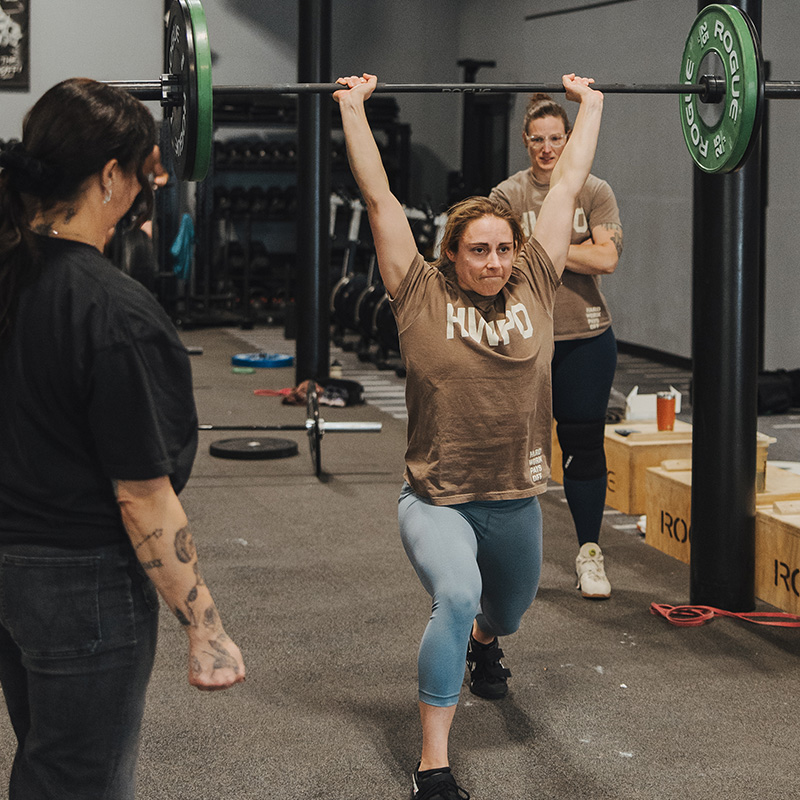
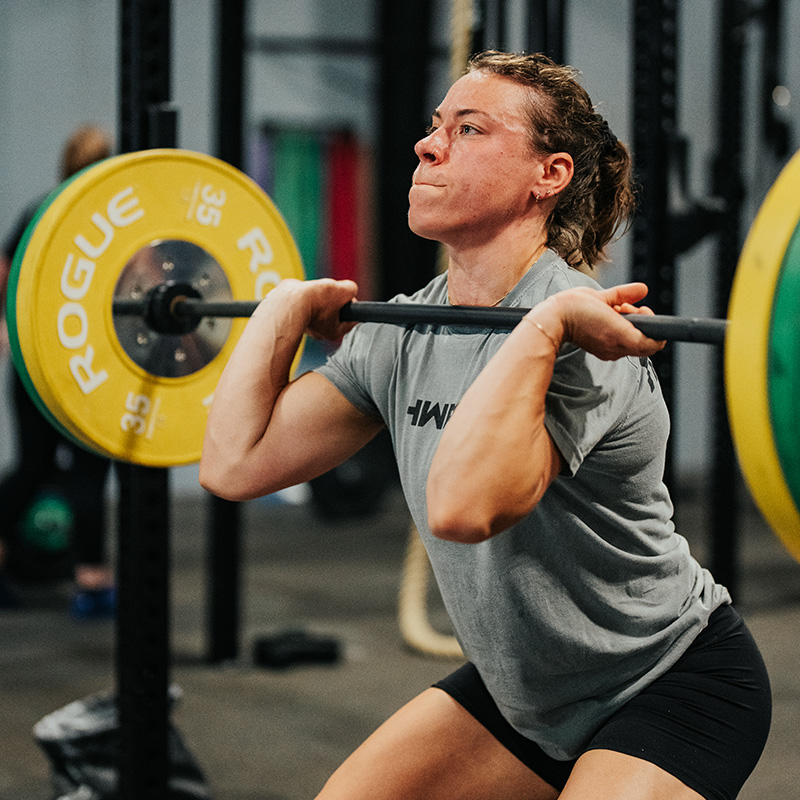
Ready to Build a Stronger Snatch?
HWPO LIFT is coached by Aimee and built around the technical development and positional strength that makes the difference in Olympic Weightlifting.