Why Core Strength Matters In Olympic Weightlifting
When most people think about core work, they think about sit-ups. In Olympic Weightlifting, the core means something much bigger. It is the entire system that transfers force from the floor to the barbell, keeps positions intact under heavy load, and protects the spine when it matters most. Coach Aimee breaks down exactly why trunk strength is so important for weightlifters, as well as the three exercises she would choose above all else.
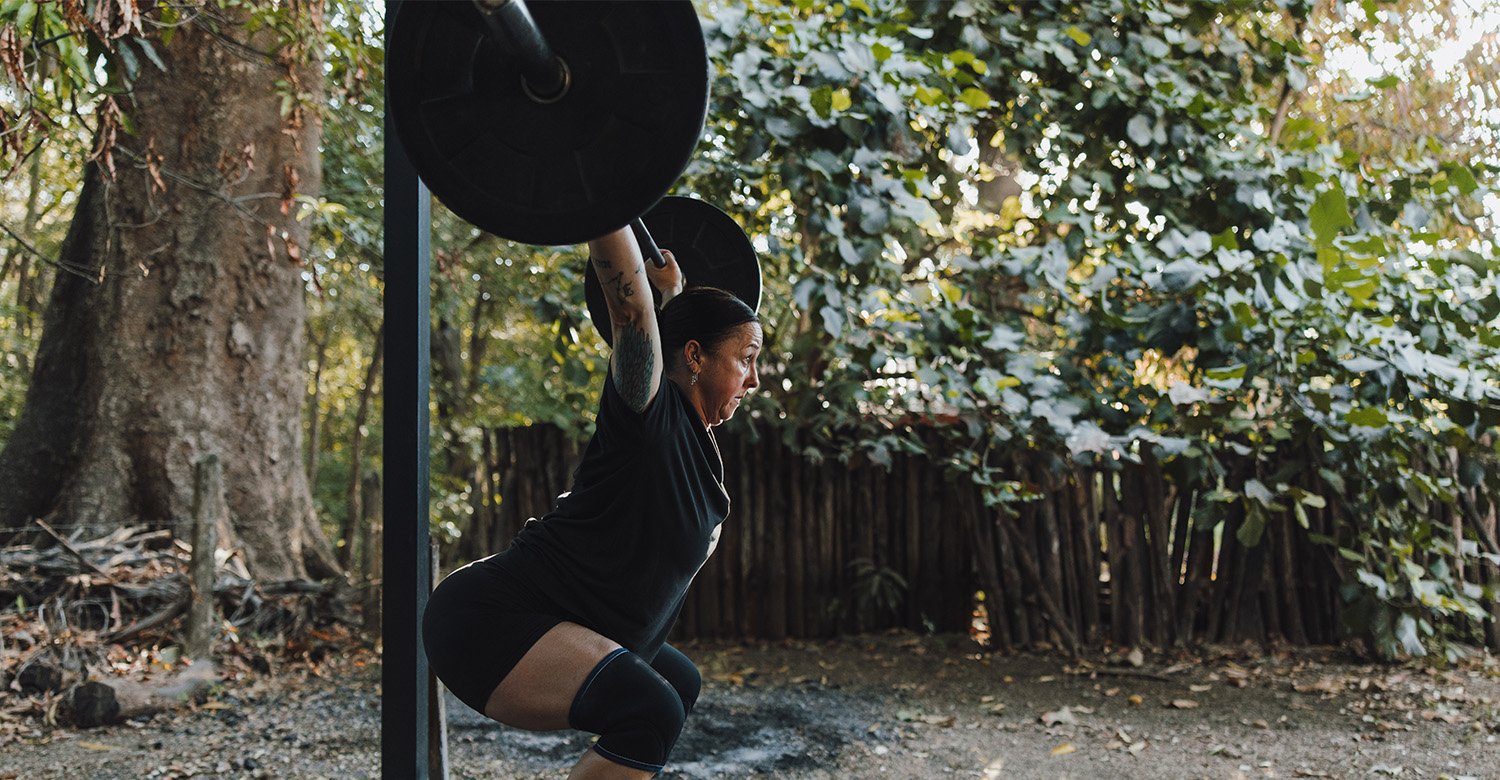
A big misconception is that core work means endless sit-ups every day. For Olympic Weightlifters, the core is not just abs. The core, aka the trunk, is the parts of the body- the entire system- that transfers force from the legs and hips to the barbell while protecting the spine under speed and load. A strong core is one of the biggest differences between lifts that feel STRONG, STABLE and SOLID (the 3 good S words!), not to mention POWERFUL, versus lifts that feel shaky, soft, disconnected, off-balanced, or inconsistent.
Why your core is the foundation of every lift
Here’s why a strong core is so important for Olympic Weightlifting
Force transfer: In the snatch and clean & jerk, power starts from the floor and travels upward via the legs, then the hips. Lifters use their legs to push through the floor to get momentum on the barbell. If the torso collapses, is soft, or can’t hold tension, the lifter can’t stay tight, and will lose force before it even transfers to the bar. A strong core helps connect the legs to the upper body, allowing the lifter to control the bar and move efficiently from the moment the barbell leaves the floor until the moment the lifter receives it.
Maintaining positions: Technique is a foundation of Olympic Weightlifting. Leading with your chest, staying over the bar, maintaining balance and control throughout the lift, receiving the bar in a solid overhead position in the snatch, or solid rack position in the clean—none of that happens consistently without trunk strength and control.
Bar path control: When the core is weak, it can make it harder to control the lifts, and the core can also fatigue easily when the lifter needs it to be tight or stable. A weak core makes it harder for the lifter to make technical corrections, maintain consistent movement, or feel strong and stable. If a lifter has technical issues such as swinging the bar, not being able to stay over the bar, bar crashing in the clean, or feeling shaky or unstable overhead, working on core strength will help the lifter to get stronger in the positions to correct the technique.
Receiving heavy lifts safely: Receiving a heavy clean or having positional strength to receive and stabilize a snatch overhead places massive demands on the trunk. The lifter’s core has to brace at the start of the lift and maintain that braced trunk throughout the lift so that, when they receive the weight in the rack position or overhead, they can maintain stability rather than collapse.
Protecting the spine and hips: A strong core helps distribute the load properly while reducing stress on the lifter’s lower back and hips. This is important for a lifter to reduce risk of injury, especially during high-intensity training, high-volume training, heavy squatting, and heavy pulling.
Recovery and longevity: Lifters with a strong core and better trunk stability are likely to tolerate training better over time and are less likely to be injured because they can maintain positions more consistently, especially when fatigued.
My three must-do core exercises
If I could only do 3 exercises for my core for the rest of my life, I would choose:
- PLANKS- any plank variation, but specifically weighted planks. Planks are a simple trunk stability exercise, but can be extremely effective for the lifter in strengthening the core to resist unwanted movement, collapsing, and softness, and in helping the lifter properly brace the core—reinforcing and strengthening the front, back, and side trunk muscles while still being able to breathe normally.
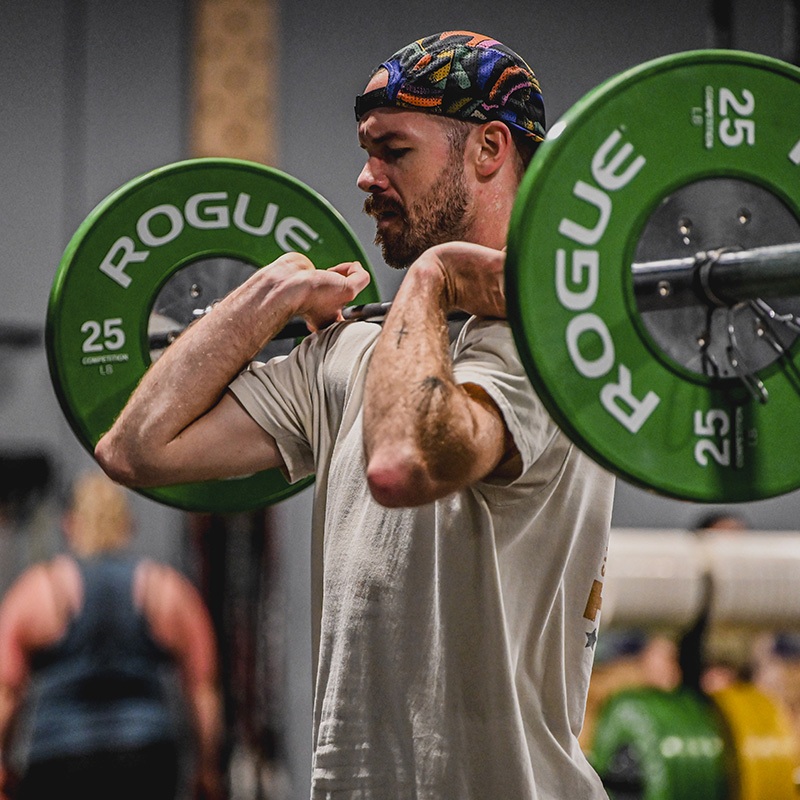
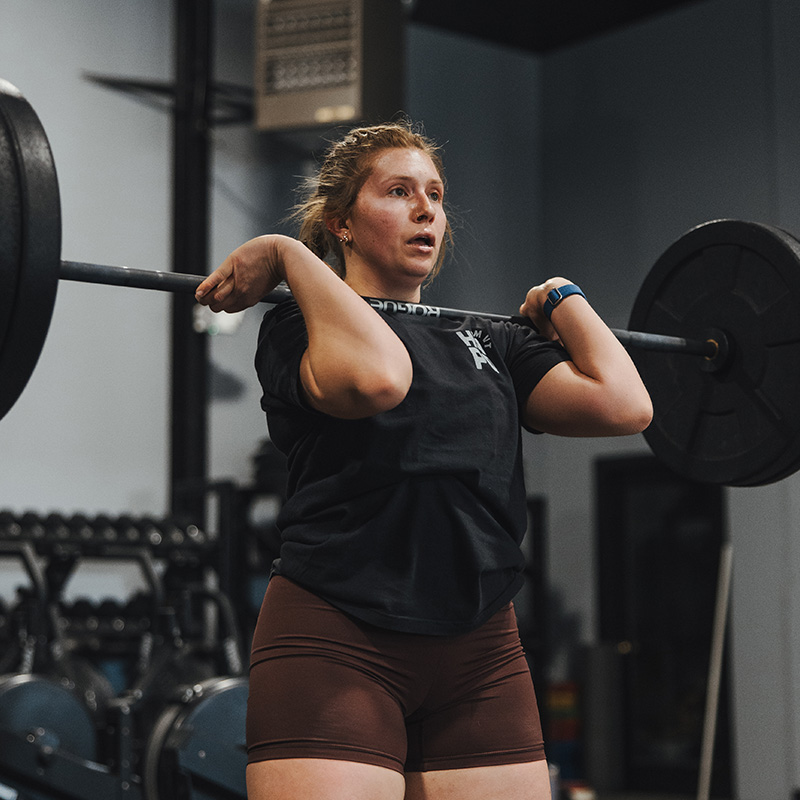
- FRONT SQUATS or RACK HOLDS- Front squats are essential for building the core strength needed to stabilize heavy loads during the clean and jerk. There is a strong demand on the upright torso when doing clean & jerks because the barbell is in the rack position. Gravity and the barbell will pull the lifter forward, but by developing trunk strength, the lifter can keep the torso upright and maintain core strength so the torso does not round forward or collapse under the weight of the bar. Rack holds help the lifter build core strength that is crucial for the clean & jerk. When a barbell is in the rack position, the lifter does not want to be moving around or smooshed by the weight they are trying to support. Heavy rack holds develop the core strength needed for the lifter to keep their torso upright rather than round forward like an armadillo!
- BACK EXTENSIONS- This is my favorite exercise for strengthening the core, erectors and lower back while also improving endurance, control, and stability needed for heavy snatches and clean & jerks.
NOTE: Rack holds and Back Extensions with weight need to be performed properly with good positioning and a slow build over time to heavier weights, so the athlete can physically acclimate to the demands of this exercise while building strength.
Want To Build A Stronger Foundation?
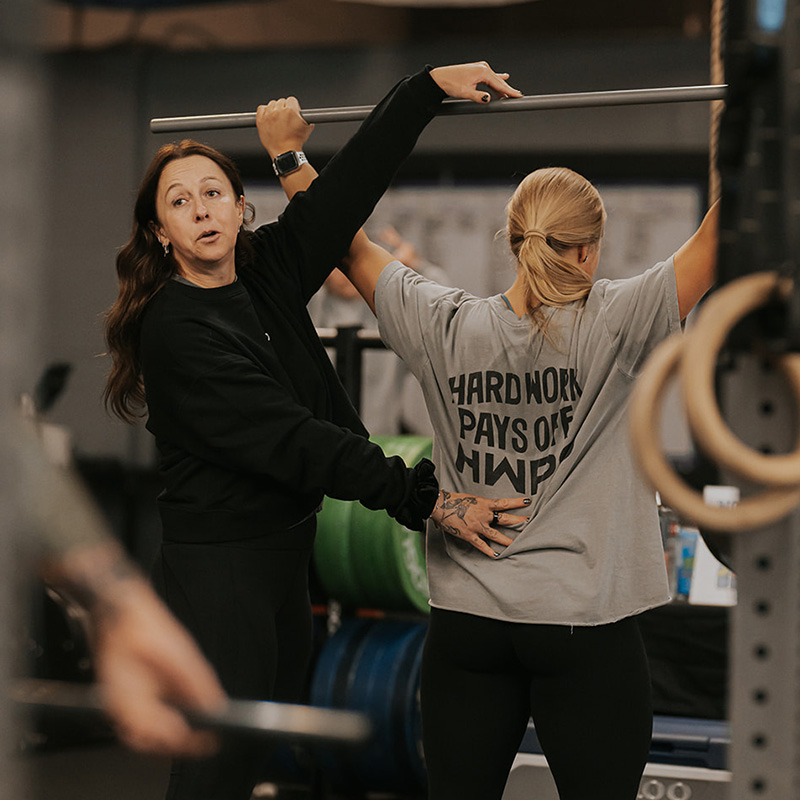
Core strength is just one piece of what makes a great weightlifter. HWPO LIFT is built to develop the positions, strength and technique that hold up when the weight gets heavy.